
Madagascar, this island-continent of a thousand faces, continues to fascinate with its exceptional biodiversity and vibrant culture. However, behind this facade of wonder lie colossal challenges that call for unprecedented mobilization. At this pivotal time, attention is increasingly turning towards forms of support that go beyond one-off aid to embrace a genuine approach to sustainable development. Initiatives aimed at strengthening the local economy and protecting the environment of the Great Island have become essential pillars for building a more resilient future for its inhabitants and its unique wildlife. It is no longer just about responding to the emergency, but about building lasting solutions that are rooted in communities and respectful of this invaluable natural environment. Every donation, every act of solidarity, becomes a crucial link in this chain of transformation, breathing new life into environmental projects and local businesses working for the common good. It is crucial to understand how these contributions can truly catalyze profound and lasting change on the island, from education to the conservation of critically endangered species. The focus is now on concrete impact, transparency of actions, and long-term commitment to Madagascar.Support for Madagascar takes many forms, each playing a vital role in building a better future. It is essential to focus efforts on targeted actions that strengthen local capacities and protect an unparalleled natural heritage. To this end, several key areas of intervention emerge. Preserving biodiversity, the island’s greatest asset, is central to many programs. Improving the living conditions of the population through economic and social support is also a top priority, as environmental protection is difficult to maintain without the well-being of communities. Finally, a commitment to sustainable development requires long-term thinking, where every contribution is designed to maximize its impact and create self-sustaining momentum. It is a true human and ecological adventure unfolding on this unique land, where the generosity of some meets the resilience and determination of others to forge a more promising future. In short: 🌍 Protecting a unique and irreplaceable ecosystem is a priority. 💪 Direct support for the Malagasy local economy is a powerful driver of development. 🌱 Environmental projects are crucial for safeguarding biodiversity. ❤️🩹 Humanitarian aid remains a vital necessity for vulnerable populations.
✅ Choosing transparent and accountable organizations ensures the effectiveness of donations.
🚀 The lasting impact of regular contributions provides stable funding for actions.
- 🤝 International solidarity is essential to strengthening the local community. Madagascar, the Great Island: Understanding the Urgency and Potential of SupportMadagascar, this majestic island in the Indian Ocean, is often described as a world apart, a land where nature has preserved its most precious secrets and where life has followed unique evolutionary paths. In 2026, this reality remains truer than ever. The island is home to biodiversity found nowhere else on Earth, with thousands of endemic species, from iconic lemurs to colorful chameleons, not to mention lush forests and breathtaking landscapes. It is an invaluable natural wealth, a true treasure that calls upon the global conscience. However, this wealth is under immense pressure. Deforestation, fueled by the search for farmland, firewood, and building materials, is progressing at an alarming rate, directly threatening the habitats of these unique species. Climate change, with its extreme phenomena such as prolonged droughts in the south and devastating cyclones, exacerbates the fragility of this ecosystem and the vulnerability of its people.
- Faced with these challenges, the role of donations and international
- solidarity is absolutely fundamental. It is not simply a matter of providing one-off aid, but of committing to a sustainable development approachthat meets immediate needs while building a safer and more equitable future. Environmental projects
- are vital to curbing biodiversity loss and restoring degraded ecosystems. This includes large-scale reforestation initiatives, the creation and management of national parks and nature reserves, and the implementation of sustainable agricultural practices that reduce pressure on forests. At the same time, support for the local economyis equally crucial. By investing in communities and creating employment and income opportunities, we empower people to become the primary protectors of their environment. When families have access to dignified livelihoods, they are less forced to resort to destructive practices to survive. It is a virtuous circle we seek to establish, where human prosperity and ecological health are intrinsically linked.
- One of the emblematic areas where this work is essential is the incredible Kasijy Reserve. This rare dry forest, a true gem of western Madagascar, is a sanctuary for critically endangered lemurs and unique wildlife. The tireless work of the rangers, often drawn from local communities, is indispensable for patrolling, monitoring, and protecting this habitat. Their courage and dedication are truly inspiring. Without the support of donors, these efforts simply could not exist. In 2026, the continuity of these actions is guaranteed by a sustained commitment, enabling not only the maintenance of patrols but also the funding of forest restoration programs. These initiatives go beyond simply planting trees; they involve the active participation of local residents, training in conservation techniques, and raising awareness of the importance of their natural heritage. It is essential to recognize that every tree planted, every animal protected, is the result of close collaboration between organizations, donors, and the Malagasy people themselves.
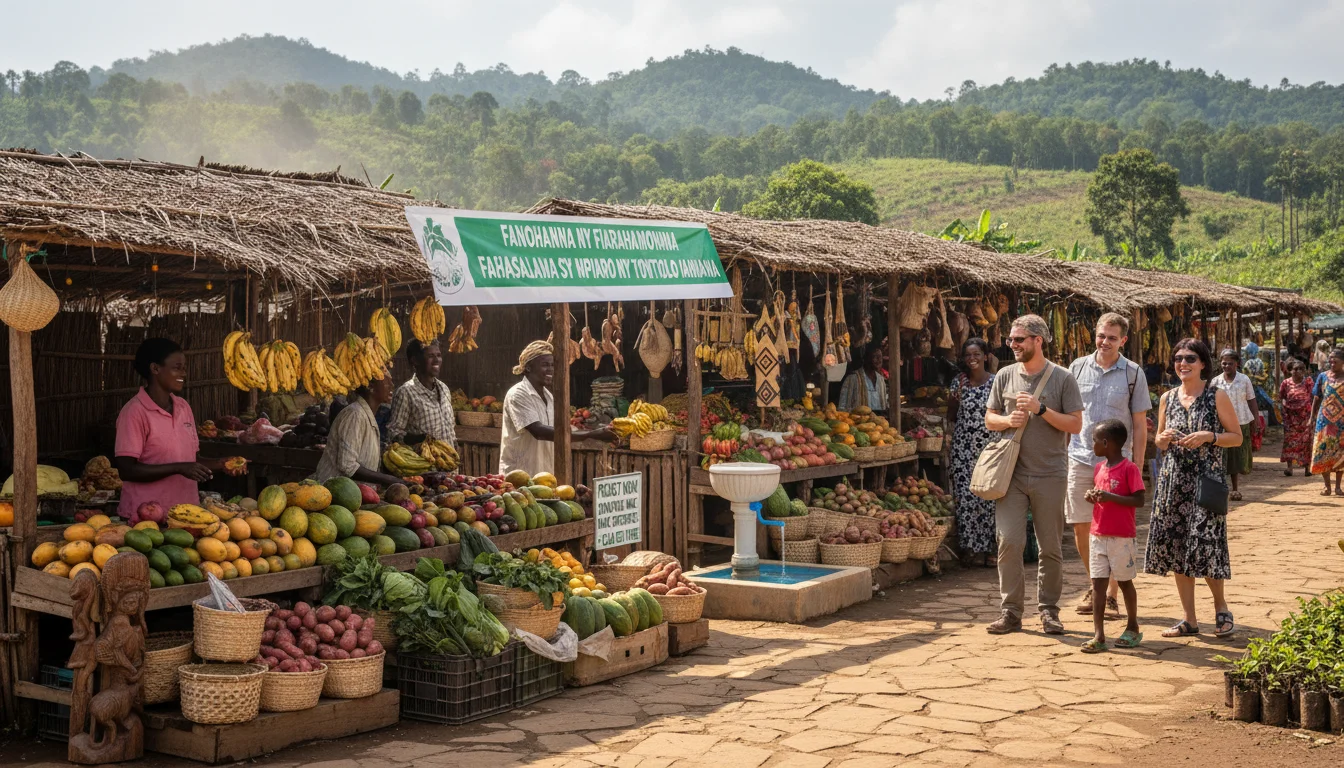
- The socio-economic challenges in Madagascar are complex and interconnected. A large number of Malagasy people live below the poverty line, with limited access to education, healthcare, and clean water. This precarious situation makes populations particularly vulnerable to economic and environmental shocks. Awareness campaigns play a major role in informing people about these real needs and encouraging sustained mobilization. For example, the fight against diseases like monkeypox, which has affected regions like Majunga, underscores the importance of robust health infrastructure and effective prevention programs—areas where humanitarian aid is crucial. Every donation helps fund projects in these vital areas, enabling the provision of medical care, the construction of schools, and improved access to clean water and sanitation. These interventions, while different in nature, share a common goal: to improve the lives of Malagasy people and empower them to build a better future. Donor engagement enables the implementation of sustainable solutions on the ground, supports local communities, and protects critically endangered species and their habitats, thus forging a profound and lasting positive impact. It is a holistic approach where every piece of the puzzle is essential for a complete picture of sustainable development. Boosting the Local Economy: A Driver of Prosperity for Madagascar Supporting Madagascar’s local economy is not just a financial transaction; it is an investment in the dignity, autonomy, and resilience of its people. There are many ways to donate to support the island, including purchasing fair trade products, supporting a microcredit project, or making a donation.direct support for local initiatives. The approach is one of partnership, where external funding reinforces and amplifies the efforts of the Malagasy people themselves. The goal is to create opportunities, develop skills, and establish sustainable value chains that directly benefit local producers, artisans, and entrepreneurs. Imagine the impact of a small loan granted to a woman to start a weaving business, or support for an agricultural cooperative to improve the quality of its harvests and access new markets. These actions, even modest ones, have a considerable multiplier effect, enabling families to meet their basic needs, send their children to school, and actively contribute to the development of their village. This is the very essence of sustainable development: solutions designed and implemented locally, with targeted external support. More specifically, initiatives that support the local economy take the form of various programs. Sustainable agriculture is a key area where the introduction of new techniques, crop diversification, and access to improved seeds can significantly increase yields and food security. Beekeeping, for example, is a low-environmental-impact activity that generates significant income through the production of honey and beeswax. These activities not only generate sustainable income but also improve the living conditions of local communities.
Vocational training is also a crucial pillar. By teaching technical trades such as carpentry, sewing, computer skills, and crafts, we equip young people and adults with skills that open doors to employment and entrepreneurship. These skills are all the more valuable because they can be directly applied to meet the needs of the local community, thus strengthening social cohesion and the capacity for innovation. The impact is tangible: better-built houses, locally made clothing, and services adapted to local realities. Solidarity takes on its full meaning here, providing the means for self-reliance.
Fair trade is another powerful way to support the local economy. By purchasing fair trade certified Malagasy products, whether vanilla, coffee, cocoa, spices, or handicrafts, consumers worldwide contribute directly to ensuring fair compensation for producers. This model not only improves incomes but also guarantees better working conditions and promotes environmentally friendly practices. The funds generated are often reinvested in the local community for collective projects, such as building schools, clinics, or water access systems. It is fascinating to see how a simple consumer choice can have such a profound and positive impact. This is a commitment that goes beyond charity, embodying a relationship of mutual respect and economic partnership. It is important to seek out brands and organizations that are truly committed to this approach, being transparent about the origin of their products and the redistribution of profits. The emphasis is on traceability and fairness, values that resonate with the spirit of
Sustainable development Proven initiatives, such as those promoted by fair trade associations, demonstrate the relevance of this approach every day. Microcredit projects represent a highly effective solution for stimulating grassroots entrepreneurship. Small sums of money, often inaccessible through traditional banking channels, are loaned to individuals or groups to start or develop income-generating activities. These loans are accompanied by management training and technical support, thus maximizing the chances of success. This approach recognizes the potential and creativity of the Malagasy people, giving them the tools to transform their ideas into tangible economic realities. The impact is felt not only at the individual and family level, but also at the level of the entire local community, which benefits from revitalized markets and job creation. Success stories abound, from small soap-making businesses to fishing cooperatives. These concrete examples show that donations, when properly directed, can serve as a catalyst for sustainable economic transformation. It is therefore crucial to research the organizations offering these types of projects and assess their transparency, ensuring that every euro or ariary invested has a direct and measurable impact on the ground. Considering local and international opportunities for Malagasy people, as well as opportunities in Madagascar for foreigners, provides a comprehensive overview. The impact is also felt through cultural events, which promote the local economy, such as the Angaredona Festival in Madagascar which highlights the island’s talents and products. It is by cultivating these talents and resources that we build a stronger and more resilient economy, a true model of sustainable development for the region. https://www.youtube.com/watch?v=7omjGC8XuoQ When Responsible Tourism Supports CommunitiesResponsible tourism in Madagascar is an excellent example of how visitors can contribute directly to the local economy and environmental projects. Far from mass tourism, this approach prioritizes small, community-run establishments, native guides, eco-friendly accommodations, and activities that promote Malagasy culture. When travelers choose to stay in a village-run ecolodge, buy souvenirs directly from artisans, or hire local guides to explore the flora and fauna, they are directly injecting funds into the country’s economy. This form of support not only generates income but also raises awareness of the value of nature and local culture. It is a source of pride for the inhabitants, who see their conservation and cultural preservation efforts rewarded. The economic benefits are often reinvested in community projects, such as access to drinking water, the construction of schools, or the improvement of sanitation infrastructure. Couples committed to this cause in Madagascar have demonstrated how personal investment can transform entire regions, inspiring new forms of engagement and solidarity. This commitment can be seen in actors like the couple involved in this cause in Madagascar, who perfectly illustrate this dynamic.
Furthermore, responsible tourism encourages the protection of natural sites. Communities that benefit economically from the presence of tourists are naturally more inclined to protect their forests, beaches, and national parks. They understand that preserving their natural heritage is directly linked to their prosperity. Funds raised through visits can be used to finance anti-poaching patrols, reforestation programs, or initiatives to raise awareness of environmental issues among young people. It’s a virtuous circle: tourists come for nature, their money helps protect that nature, which attracts even more tourists. For travelers, it’s also a much richer and more authentic experience, a deep immersion in Malagasy culture, and a privileged connection with nature. It’s a way to make a donation without even realizing it, simply by choosing a way to travel that is ethical and respectful. The positive outcomes are numerous: income for local residents, environmental preservation, and improved intercultural understanding. It is clear thatresponsible tourism is a fundamental pillar of sustainable development
in Madagascar, an area where every choice has a significant impact and contributes to a more promising future for all. It is an invitation to discover the island differently, with a heightened awareness of its immense value and fragility. Protecting the Green Jewel: Crucial Environmental Projects in Madagascar Environmental protectionin Madagascar is a race against time. The island, often called the “eighth continent” because of its isolation and unique evolution, is home to 90% of its flora and fauna in endemic forms. This unique characteristic makes it a global biodiversity hotspot, but also one of the most threatened regions. Environmental projects The work carried out on the island is therefore not a luxury, but an absolute necessity for the survival of thousands of species and the overall climate balance. Deforestation is the number one enemy. Every year, thousands of hectares of primary forest are cleared for slash-and-burn agriculture, charcoal production, or the illegal logging of precious timber. This leads to massive soil erosion, the silting up of rivers and coral reefs, and the irreversible loss of vital habitats. It is a daily battle, waged by organizations and local communities, that requires constant support and unwavering solidarity. Every donation helps fund these vital actions, whether it’s restoring degraded forests, creating ecological corridors, or protecting key biodiversity areas. The role of forest rangers is, once again, central. Their patrols help detect and prevent illegal activities, but they need resources, training, and equipment to carry out their mission in often difficult conditions. One of the major focuses of these environmental projects is reforestation. Planting trees may seem simple, but its impact is enormous. Reforestation efforts aim to restore vital forest ecosystems, using native species to ensure ecological coherence. Once mature, these trees recreate habitats for wildlife, stabilize soils, filter water, and absorb carbon dioxide from the atmosphere, thus contributing to the fight against climate change. Beyond planting, creating firebreaks is crucial to protect existing forests from fires, which are unfortunately frequent during the dry season. These initiatives are often carried out in close collaboration with local communities. who are trained in nursery, planting, and maintenance techniques. It is the local inhabitants who become the true agents of their territory’s conservation. This localized sustainable development ensures the projects’ long-term viability, as the communities have a direct stake in the success of these programs. Donations fund the purchase of seeds, nursery equipment, team training, and the logistics necessary to transport seedlings to areas that are sometimes difficult to access. It is a long-term investment, but one whose benefits are invaluable for future generations. Awareness campaigns, such as those often conducted by NGOs, highlight the urgency of these actions and the direct impact of each contribution. Projects like the Kasijy Reserve, planned for 2026, are living examples of these concerted efforts. You can learn more about the importance of forests in Madagascar and the challenges they face by consulting recent analyses on Madagascar as the epicenter of Africa’s environmental and development issues. Protecting Madagascar’s iconic species is another essential mission. Lemurs, symbols of the island, are among the most endangered primates in the world. Protecting their habitats is therefore a top priority. This involves in situ (in their natural environment) and ex situ (in breeding centers) conservation efforts. But beyond lemurs, thousands of other species, from rare birds to unique reptiles and amphibians, also depend on the preservation of their environment. Donations fund scientific research to better understand these species and adapt conservation strategies. They also support efforts to combat poaching and wildlife trafficking. These are scourges that decimate animal populations. These actions are often coordinated by organizations specializing in ecology and conservation, working hand in hand with the Malagasy authorities and local communities. Environmental education programs are a crucial aspect of this approach. By raising awareness among younger generations about the richness of their natural heritage and the importance of protecting it, we are preparing the future guardians of the island. This is an investment in ecological awareness, a fundamental element for sustainable development. The involvement of local communities in the management of protected areas, their participation in decision-making, and their ownership of projects are key success factors. They are not only the beneficiaries but also the main actors in conservation, contributing their intimate knowledge of the land and their ancestral wisdom. Water is a vital element, and its sustainable management is a major issue for the environment and the people. Environmental projects often include components dedicated to watershed protection, water resource management, and access to drinking water for local communities. Deforestation has a direct impact on the water cycle, reducing water sources and increasing the risk of droughts or floods. Restoring forests also helps restore the capacity of ecosystems to retain and filter water, thus ensuring a more stable and higher-quality supply. Innovative initiatives, such as the implementation of rainwater harvesting systems or the construction of wells, are funded by donations.and provide concrete solutions to water access problems. These actions have a direct impact on public health, reducing diseases related to unsafe water and freeing up time for women and children who previously spent long hours fetching water. This is a perfect example of the convergence between environmental projects, humanitarian aid, and sustainable development. Solidarity is manifested here through concrete actions that improve daily life while protecting natural resources for the future. Discussions on sustainable development strategies are vital, especially in the context of political transitions, as highlighted by Ramaphosa in Madagascar. Protecting the environment in Madagascar is therefore a multifaceted task that requires a holistic commitment and close coordination among all stakeholders. Donations and Projects Comparison Tool for Madagascar
Types of Donations
Types of Projects Explore the differences between a one-time donation and a monthly donation to support Madagascar by analyzing their advantages, disadvantages, and impacts. Click on the headings to sort! Donation TypeAdvantages Disadvantages Impact Discover the impact of the different types of projects supported in Madagascar (environment, local economy, humanitarian) through their direct and indirect benefits and their sustainability. Click on the headings to sort! Project Type Direct Benefits Indirect Benefits Sustainability Humanitarian Aid and Sustainable Development: Building a Resilient Future for the Malagasy People Humanitarian aid in Madagascar is a fundamental pillar, often the first line of support for populations facing cyclical crises, whether droughts, floods, or food shortages. But this aid is not limited to emergencies; it is intrinsically linked to sustainable development.
aiming to build long-term resilience. Madagascar is particularly vulnerable to climate shocks, and the consequences for food security are devastating. Food aid is often essential, especially in the south of the country, which is regularly affected by famines. Every contribution provides vital assistance to vulnerable populations, guaranteeing minimum access to food and combating chronic malnutrition in children. It is not just about distributing food, but also about implementing nutrition programs, hygiene awareness campaigns, and support for local health systems. Solidarity is manifested here through concrete actions that save lives and improve the health of the most vulnerable. The goal is to move beyond the emergency cycle to enable local communities to regain their autonomy and equip themselves with the necessary tools to cope with future crises. Health is a crucial area, where donations help fund projects to strengthen medical infrastructure, train healthcare workers, and provide essential medicines. Responding to epidemics like monkeypox, which has been a major challenge in some regions, particularly in Majunga, demonstrates the importance of a robust and accessible healthcare system for all. You can explore the health challenges and responses to monkeypox in Madagascar to better understand the scale of these issues. Education is another area where humanitarian aid and sustainable development converge to transform Madagascar’s future. Access to school is a fundamental right, but many children, especially in rural areas, do not have the opportunity to complete their education. DonationsThese initiatives enable the construction and renovation of schools, the provision of school supplies, teacher training, and the implementation of scholarship programs for the most disadvantaged children. Education is the key to breaking the cycle of poverty, providing young people with the skills and knowledge necessary to build a better future for themselves and their local communities. It is also a vital tool for raising awareness about the environment and sustainable development. Educational programs integrate concepts of ecology, natural resource management, and sustainable agriculture, thus preparing future generations to be responsible and engaged citizens. Investing in education is an investment in Madagascar’s human capital, an invaluable resource for the country’s sustainable development. Initiatives that improve lives in Madagascar invariably involve education, because it is by transmitting knowledge that we empower people to become self-reliant. International solidarity plays an irreplaceable role in supporting these efforts, ensuring that as many children as possible have access to quality education. Access to safe drinking water and sanitation is a major challenge that directly impacts the health and well-being of populations. Many Malagasy people lack access to safe water sources, leading to waterborne diseases and placing a significant burden on healthcare systems. Environmental projects in this area aim to establish sustainable infrastructure, such as wells, filtration systems, and drinking water distribution networks. Meanwhile, sanitation programs focus on building latrines, managing waste, and promoting good hygiene practices. These initiatives are funded by donations.These projects have an immediate impact on the health of local communities, reducing infant mortality and improving overall quality of life. They also contribute to environmental protection by preventing soil and water pollution. The approach is holistic, integrating technical, social, and environmental aspects to ensure sustainable solutions. The participation of local communities is crucial in the planning, implementation, and maintenance of these infrastructures, ensuring their long-term viability. This is a perfect illustration of how humanitarian aid, when considered from a sustainable development perspective, can permanently transform people’s lives. Implementing these projects requires ongoing coordination and support to extend their reach to all regions in need, including the most remote areas. Governance and political stability are also key factors for the success of humanitarian aid and sustainable development initiatives. Political transitions or geopolitical challenges can influence organizations’ ability to operate on the ground and deliver aid. Understanding this context is important to maximize the effectiveness of donations. Awareness campaigns inform people about these dynamics and encourage sustained mobilization, even in the face of uncertainty. Initiatives, sometimes led by political figures or opinion leaders, seek to strengthen stability to allow environmental and development projects to flourish. It is essential that support be part of a long-term vision, capable of adapting to the country’s evolving needs. The goal is to strengthen local institutions, promote transparency and good governance, and create an environment conducive to investment and sustainable development. Donationsare not only financial; they can also take the form of technical support, sharing expertise, and advocating for a better future for Madagascar. In short, humanitarian aid in Madagascar is a complex but essential undertaking that combines responding to the emergency with building a resilient and prosperous future for all Malagasy people, a path toward autonomy and dignity, strengthened by active and informed global solidarity. We can even see global influence strategies like those of Trump in Antananarivo affecting the overall aid framework. https://www.youtube.com/watch?v=VwBig0Blu_Q Your Concrete Impact: Choosing and Acting Effectively for MadagascarDonating to Madagascar is a powerful gesture, but to maximize its impact, it is essential to choose the right way to act and the right organizations. The first step is to look for organizations that are transparent about their finances and share detailed reports on the impact of their programs. This ensures that your money is used effectively and actually reaches the intended local communities and environmental projects. There are many organizations, large and small, working for sustainable development in Madagascar, covering diverse areas such as health, education, water, sanitation, and, of course, environmental protection. It is recommended that you visit their websites, read their activity reports, and, if possible, contact their teams with questions. A reputable organization will always be happy to share information about its achievements and challenges. Don’t hesitate to ask for concrete examples of projects that your donation could support. Knowing where your money goes builds trust and commitment, and allows you to feel truly involved in this solidarity. We often develop a passion for a specific cause, whether it’s lemur conservation, supporting women entrepreneurs, or providing access to education for children. The important thing is to align with shared values and a clear commitment to the well-being of Madagascar.
There are several ways to donate, each with its own advantages. A one-time donation is an excellent option for those who wish to contribute at a specific time or support a particular campaign. It’s a simple and direct way to provide immediate support. However, for a more lasting impact and consistent funding for environmental and local development projects, becoming a monthly donor is particularly effective. By choosing to make a lasting impact each month, you help provide consistent and reliable funding for conservation and community support programs in Madagascar. This regular support allows organizations to plan for the long term, hire permanent teams, and ensure the continuity of their actions, without relying solely on one-off fundraising campaigns. It’s a form of solidarity that is sustainable and essential for sustainable development initiatives that require ongoing investment. You can learn about the various organizations that fund projects in Madagascar, as suggested in this article listing NGOs that fund projects in Madagascar, to find the one that best aligns with your values and desire to get involved. The donation process is often facilitated by secure online platforms, making it quick and easy. Beyond financial donations, other forms of support are equally valuable. Participation in awareness campaigns is crucial. By sharing information about Madagascar’s real needs and amplifying calls for donations, you can make a significant difference. By educating those around you about the issues ofecologyandsustainable development, you help mobilize a wider audience. These campaigns raise awareness of real needs and encourage sustained mobilization, creating a snowball effect. Volunteering, for those with the time and skills, is another very concrete way to take action. Whether it’s helping with remote project management, participating in field missions (if you have the qualifications and budget), or supporting communication teams, every effort counts. Organizations often need diverse expertise, from translation and data collection to graphic design and web development. Leaving a legacy is also an option for those who wish to leave a significant and lasting impact on Madagascar, a way to extend their commitment beyond their own lifetime. The Grâce Madagascar Association, like many others, encourages donors to seek advice from their own professional advisors to guide them through the donation process, particularly regarding tax implications. It is important to consider your impact, not only for the present but also for future generations. Discussions about Madagascar’s integration into groups such as the BRICS and the Middle East can also influence how international support is perceived and organized, and it is relevant to follow these developments for informed engagement. The following table illustrates some examples of the real impact of your donation, highlighting key areas where your solidarity can make a difference:
Area of Action 🎯 Examples of Concrete Impact 🛠️ Benefits for Communities and the Environment 🌟 Protection of Iconic Species 🦒 Helps protect lemurs, birds, and other endemic and endangered species.Preserving Madagascar’s unique biodiversity and maintaining ecological balance. Supporting communities👩👧👦 Supporting sustainable agriculture, beekeeping, and education; generating sustainable income.Improving living conditions, fostering economic empowerment, and reducing poverty. Restoring vital forests 🌳
Combating deforestation, stabilizing soils, sequestering carbon, and restoring habitats.
Access to water and sanitation 💧 Construction of wells, drinking water filtration systems, and latrines.Reducing waterborne diseases, improving public health, and restoring dignity. Education and Training 📚 Building schools, providing equipment, scholarships for children, vocational training.Access to knowledge, skills development, job opportunities, self-reliance. It’s truly amazing to see the snowball effect that a well-targeted donation can have. Every act of solidarity adds another stone to the building of sustainable development for Madagascar. The key is to stay informed, choose reliable partners, and commit for the long term. Local initiatives, when they are well supportedThese actions can transform lives and entire landscapes, creating a brighter future for this extraordinary island and its resilient people. It’s a human and ecological adventure you can be a part of, knowing that every effort contributes to a greater cause. Think about the impact you can have: it’s amazing to know that any contribution, no matter how small, can make a difference. Detailed reports are published annually, showing the progress made and the challenges that remain, as explained by AMADEA, which details how to join the association, make a donation or bequest, or sponsor a child. This is an opportunity for a true awakening to the power of solidarity. How can I ensure my donation goes directly to Madagascar? To guarantee that your donation directly benefits people and projects in Madagascar, it’s essential to choose transparent organizations. Look for associations that regularly publish detailed financial reports and activity summaries on their websites. These documents must clearly indicate how the funds are allocated and the measured impact of their programs on the ground. You can also contact the organization directly with specific questions about how your contribution will be used.What types of projects have the greatest impact on the local economy? The most impactful projects for the local economy are those that strengthen community autonomy and capacity. This includes support for sustainable agriculture, beekeeping, local crafts, microcredit initiatives for small entrepreneurs, and vocational training programs. These actions create sustainable incomes, improve living conditions, and reduce dependence on external aid. Fair trade is also an excellent way to directly support Malagasy producers.How do donations contribute to environmental protection? Donations are vital for funding a variety of environmental projects. They support reforestation, the creation of firebreaks to prevent wildfires, the protection of natural habitats for endangered species (such as lemurs), the fight against poaching, and environmental education programs. They also help fund forest ranger patrols and the implementation of environmentally friendly agricultural practices, thus ensuring the preservation of Madagascar’s unique biodiversity.Is it better to make a one-time or monthly donation? Both types of donations are valuable, but monthly giving offers more stable and predictable support to organizations. This regular funding allows for better long-term project planning, the sustainability of conservation and development efforts, and a more effective response to community needs. A one-time donation is excellent for specific campaigns or emergencies, but a monthly commitment ensures a lasting impact on Madagascar’s development.
Découvrez notre guide complet — destinations, budget, visa, faune et conseils pratiques pour préparer votre voyage.

📖 Vous aimerez aussi

Transition à Madagascar : la société civile et la Génération Z face aux doutes sur le « Programme de la Refondation »
3 March 2026
Fermeture de l’aéroport de Dubaï : chaos et désarroi chez les voyageurs bloqués
2 March 2026