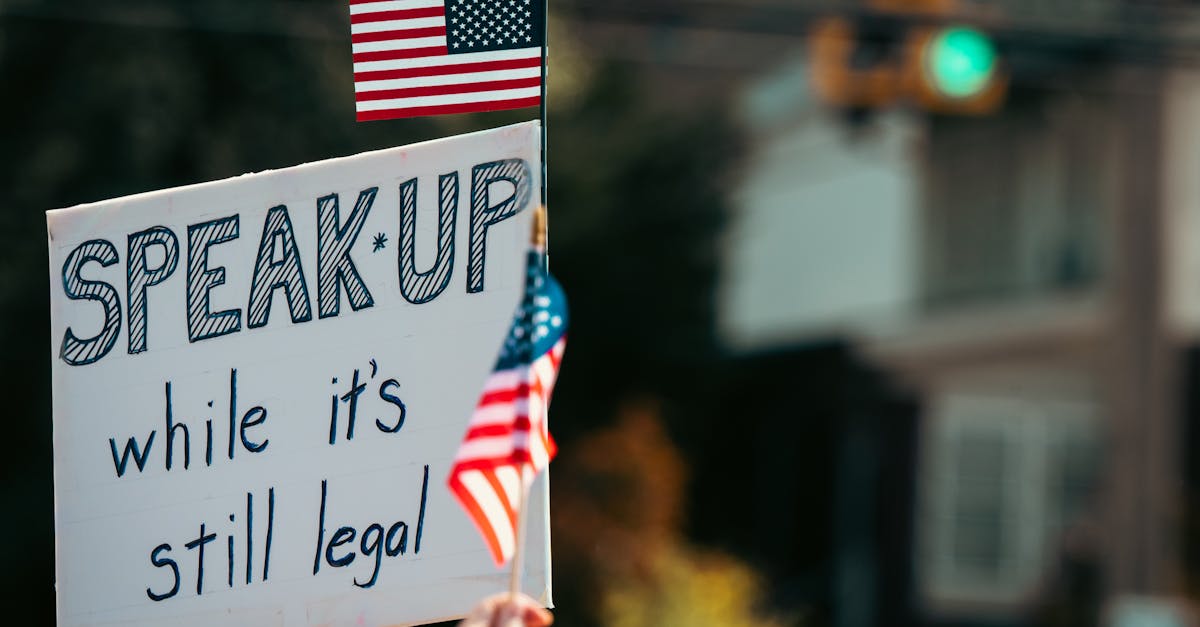

For several months, Madagascar has been experiencing unprecedented unrest, fueled by the clear and determined voice of its youth. Generation Z, born between 1997 and 2012, has emerged as a central player in a protest movement against a government deemed failing, even oppressive. The demonstrations sweeping the island testify to an unprecedented collective commitment, resolutely focused on the necessary political and social change. Accused of being devalued and underestimated in the political arena, this segment of the Malagasy population refuses to be confined to a passive role. They are demanding their rights, expressing their concerns about a difficult economic situation, and denouncing the current government’s stranglehold on daily life. The Malagasy youth revolt appears as a crisis of conscience, a desire to make their voices heard in the face of abuses of power, often exacerbated by targeted repression and intimidating rhetoric. Calls for mobilization are multiplying, demonstrating the deep desire of these young people to be involved in the future of their country, sometimes described as a “country of all crises” but also a beacon of hope for a generation that wishes to transcend the limitations of the past.
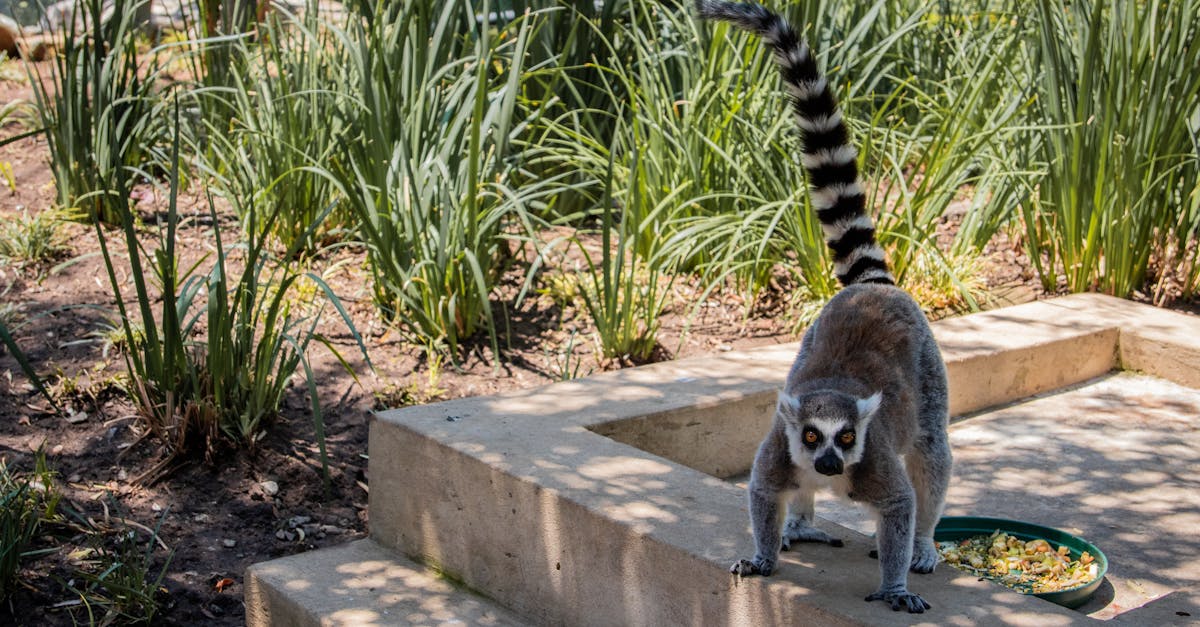
Discover Madagascar, a unique island rich in biodiversity, idyllic beaches, and fascinating cultures for an unforgettable adventure.
- A key protest: Malagasy youth demand the resignation of Andry Rajoelina. At the heart of the demands, the resignation of the current president, Andry Rajoelina, is one of the focal points of the demonstrations. The youth, a political and symbolic force, criticize the turbulent management of the country and the authoritarian direction the government seems to be taking. Since the beginning of the protests, several concrete demands have emerged:
- an end to xenophobic and arbitrary repression see here
- The implementation of profound democratic reforms for more transparent governance
economic reform to reduce social inequalities
highlighting increased precarity
Young protesters denounce a series of dysfunctions that hinder their future and fuel a climate of widespread frustration. Several slogans resonate in the streets, calling for radical change, a break with a power perceived as disconnected from the realities of the population.
Since the outbreak of the first mobilizations in September 2025, young Malagasy people have managed to expand their movement with impressive determination. Beyond simple gatherings, these young people have used digital tools to circumvent censorship and mobilize effectively.
Social media, in particular, has made it possible to unite opponents and broaden the debate both nationally and internationally. The use of direct, sometimes provocative language has fostered a growing sense of belonging and commitment. Young people are also organizing themselves through discussion platforms where strategies are developed to intensify protest and put pressure on institutions. This digital responsiveness also illustrates a rejection of traditional methods, often perceived as obsolete or ineffective. When it comes to **
The social and economic issues behind the Generation Z uprising in Madagascar
The socio-economic context in Madagascar is deeply marked by increasing precarity, which fuels youth anger. According to official figures from 2026, nearly 80% of young people live below the poverty line, facing unstable employment and rampant inflation that erodes their purchasing power. The disconnect between political elites and the youth population exacerbates this crisis.
| Young people also denounce the lack of long-term prospects, a failing education system, and a government that prioritizes the interests of the powerful. The humanitarian crisis is intensifying due to shortages of water and electricity, as well as food insecurity, further jeopardizing their daily lives. Generation Z, confronted with these challenges, demands concrete and rapid solutions, but above all, a genuine hearing for their grievances. This social mobilization also reflects a questioning of the existing economic model, which they consider obsolete and incapable of meeting basic needs. The Role of Digital Tools in the Political Recomposition of Youth in Madagascar | Young Malagasy people have adopted a stance of digital protest, using social media as a genuine lever for change. Repression by traditional institutions often proves ineffective against this weapon of mass communication. In May 2026, massive boycott campaigns against the regime, particularly those criticizing presidential policies, circulated widely online, influencing national and international public opinion. |
|---|---|
| Key Factors | |
| Impact on Protest | Use of Social Media 📱 |
| Uniting youth, amplifying protest | Viralization of protest videos 🎥 |
Mobilizing local and international supporters
Dissemination of alternative messages 🗣️
Counter-narrative to state control
- This digital movement reflects a challenge to the state’s monopoly on information and demonstrates a collective desire for a new form of civic engagement. By embracing these platforms, the younger generation is empowering itself to circumvent censorship and make its voice heard more freely.
- A demanding Malagasy youth: a list of concrete demands for change
- Young people are calling for fundamental change, illustrated by a series of concrete proposals. Here are some of the most frequently expressed demands during the various demonstrations: Institutional reform to strengthen democracy
- Removal of the president and corrupt figures of power
- Revaluation of the education and employment system
Seeing how young people are engaging in globalization
Creation of a fund for sustainable and inclusive development
Increased efforts to combat poverty and precariousness
These demands reflect a desire to break with a system perceived as archaic and to establish genuine structural change, capable of ensuring a better future for young people.

The current government makes no secret of its desire to curb this protest movement. Arbitrary arrests, massive use of force, media censorship… Young protesters face increased repression, which only fuels their anger. In Madagascar, tensions are rising, and the protests are becoming increasingly violent, forcing the international community to question the respect for fundamental rights.
It is vital to broaden the national debate to include the voice of this engaged youth, while firmly condemning the abuses that hinder their right to protest. Repression is worsening the social climate, reinforcing the conviction that a sincere dialogue must be established quickly. Observations also indicate that impromptu riots are fueling ongoing instability, which is hardly conducive to a lasting resolution of the crisis.
- Discover Madagascar, a unique island combining magnificent landscapes, exceptional biodiversity, and a rich culture. Embark on an adventure between idyllic beaches, rainforests, and authentic villages.
- Uniting Malagasy youth around a common project for change
- A state that aspires to restore peace and stability must absolutely unite its youth around a common project with a promising future. Civic engagement must go beyond mere protest to envision active participation in the reconstruction of the country. Several citizen initiatives are emerging:
Creation of youth leadership groups for dialogue
against the regime’s actions
Organization of discussion forums on transparency and governance
Promotion of civic values and social engagement through educational programs
This process must involve all sectors, mobilize with sincerity and transparency, in order to rebuild trust between young people and institutions. The recognition of their rights and the consideration of their essential needs will be the true drivers of lasting change. Young people must no longer be mere spectators, but rather key players in redefining Madagascar’s future.
FAQ: Malagasy Youth and the Protest Movement
Why are the youth of Madagascar rising up in 2026?
The movement reflects a deep-seated frustration with corruption, precarious living conditions, and perceived governance failures, fueled by a desire for profound change.
How does Generation Z use social media to make its voice heard?
It effectively mobilizes these platforms to circumvent censorship, organize demonstrations, and disseminate its demands on a national and international scale.
What are the key elements for addressing the demands of young people?
Institutional reform, the fight against poverty, transparent governance, and genuine dialogue with youth are essential responses to alleviate the crisis.
What role can the international community play? It must encourage an inclusive dialogue process while firmly condemning violations of fundamental rights, in order to support Madagascar toward lasting stability.
🔗 Sources & références
Pour aller plus loin, consultez les sources citées dans cet article :
Découvrez notre guide complet — destinations, budget, visa, faune et conseils pratiques pour préparer votre voyage.

📖 Vous aimerez aussi
Transition à Madagascar : la société civile et la Génération Z face aux doutes sur le « Programme de la Refondation »
3 March 2026
Fermeture de l’aéroport de Dubaï : chaos et désarroi chez les voyageurs bloqués
2 March 2026