

In Madagascar, a country marked by persistent poverty and a still largely developing economy, the rise of artificial intelligence raises fundamental questions about social and economic stability. While technological innovation offers undeniable opportunities to fuel growth, it also generates increased dependence on sectors often controlled by foreign capital. At the heart of this complex dynamic are the workers, often overqualified or undertrained, who constitute the true invisible cogs of this digital revolution. Their daily lives, marked by increased insecurity, expose a deep divide between technological advances and local socio-economic realities.
Some observers point out that digital transformation props up a fragile economy, potentially further destabilizing an already vulnerable context. Navigating the need to develop new skills, dependence on foreign projects, and the difficulty of guaranteeing stable employment creates an explosive mix. In Madagascar, this fragile situation is illustrated by the existence of entire sectors where work remains informal, poorly recognized, or even unknown, yet proves essential for feeding the artificial intelligence systems upon which many global advances rely. The question then arises: how can balanced development be ensured, respecting both the dignity of these workers and the country’s economic sovereignty?
This observation of heightened precarity raises a central issue: the relationship between technology and employment in a fragile context. It is becoming urgent to rethink how digital growth can benefit everyone equitably. The precariousness of these workers’ daily lives, the majority of whom operate in the shadows, also embodies a crisis of collective ethics in the face of global challenges, where national sovereignty must take precedence over a purely market-driven logic. As international awareness grows, it appears crucial to broaden the national debate, particularly around the implementation of concrete measures to ensure better social protection and the recognition of local skills in a sensitive sector like artificial intelligence.
The working conditions of annotators in Madagascar: a difficult daily life under the watchful eye of artificial intelligence
The “annotators” of Madagascar embody this little-known but unavoidable reality. Their role consists primarily of qualifying enormous volumes of data—texts, images, videos—to enable artificial intelligence to progress. Yet, behind this activity lies an increasingly precarious situation. According to a recent study, between 150 million and 400 million people worldwide make a living from this profession, particularly in India and Africa. In Madagascar, where this activity is booming, tens of thousands of young people are taking advantage of these opportunities, often in less than ideal conditions.
Foreign companies, which control the majority of annotation platforms, operate in geographical areas where social regulations remain lax. The annotators’ main task is to watch videos or analyze content to classify it according to specific criteria. This meticulous, repetitive activity, with its monotony, can leave psychological scars. Most of them work in relative isolation, often in small organizations or from home, under questionable working conditions.
Daniel’s case illustrates this reality. Hired in 2017 by a specialized company, he says his days are structured around classifying sequences from surveillance videos. His goal: to train software designed for the automatic detection of suspicious behavior in stores. Since speed and accuracy are essential, each annotator faces constant pressure. The sheer number of tasks, the lack of social recognition, and the absence of prospects for further professional development exacerbate frustration and create a form of social isolation for these young people. The situation raises legitimate concerns about the sustainability of an economic model based on precarious employment.
The social and economic implications of data qualification work
| Data annotation work for AI directly influences the quality and reliability of automated systems. Yet, it tends to remain in the shadows due to a lack of official recognition. The majority of these jobs, often precarious, illustrate a major divide in the distribution of the benefits stemming from global technological development. The marginalization of these workers raises a crucial ethical question: can we still speak of progress if a portion of the population works invisibly, or even under degrading management conditions? | For the local economy, this activity represents a source of income, but at what cost? Reliance on this single activity limits economic diversification and keeps certain sectors dependent on foreign capital. Digital growth, without regulation or consultation with local stakeholders, risks reinforcing this dependence, while worsening the social situation of workers. The situation in Madagascar, in particular, underscores the need for political commitment to regulate this nascent industry, respect the dignity of each worker, and protect social rights. Criterion | Observation |
|---|---|---|
| Impact | Type of work | Data annotation for AI |
| Repetitive, undervalued 💼 | Conditions | Working from home or in small organizations |
| Precarious employment, isolation 🤝 | Prospects | Low career advancement |
Frustration and discouragement 😔
The social and ethical challenges linked to the growth of artificial intelligence in Madagascar
The expansion of artificial intelligence in Madagascar raises significant challenges related to fundamental rights and ethical issues. Dependence on a low-value, often underpaid activity raises profound concerns about social justice. The precarious situation of workers, often overqualified for low-paying jobs, is becoming a pressing problem requiring collective reflection.
The situation is exacerbated by weak, proactive regulations. The majority of companies operating in the annotation sector escape strict oversight, exploiting a vulnerable workforce without genuine social protection. The rise in abuses, particularly in subcontracting or the recovery of ill-gotten gains through digital platforms, demonstrates an urgent need for a legal framework and a more effective response from local authorities. The fragility of the judicial system, with its sometimes insufficient vigilance against interference, also hinders the necessary regulation. This tension between technological development and respect for rights prompts a comprehensive ethical reflection. The question then becomes: how can we ensure that growth benefits everyone, especially young people who, lacking a robust legal framework, find themselves in precarious working conditions with no real prospects for the future? The growing importance of these issues could well, in the medium term, affect the very credibility of digital growth in Madagascar.
The challenges of regulation and ethical renewal Authorities must develop appropriate public policies that promote transparency and fairness. Implementing laws to protect workers is a crucial necessity. Furthermore, promoting continuing education and skills development, particularly in the technology sector, could offer a path to more stable and dignified employment.

This analysis of the vulnerability of workers involved in artificial intelligence in Madagascar highlights the economic and social challenges in this evolving context. The Consequences of Technological Dependence on the Malagasy Economy
The development of artificial intelligence in Madagascar is inextricably linked to a persistent dependence on foreign capital and technology. The fragility of this dependence tightens the grip of external actors on the local economy. While this digital growth may offer temporary or low-skilled jobs, it also risks reinforcing a two-tiered economy.
In-depth analysis shows that the majority of profits generated benefit the multinational corporations that control these activities. Most of the revenue from the annotation or recovery of AI-related assets is repatriated to third countries, leaving Madagascar in a position of increased vulnerability. The economic fragility induced by this dependence further undermines social stability, especially given that the majority of the population already lives in precarious circumstances.
Leverages for Sustainable Digital AutonomyIt is imperative that Madagascar invest in training its own artificial intelligence talent. The creation of local ecosystems, encouraged by coherent public policies, could restore strategic autonomy. The implementation of technical training programs, innovation hubs such as those focused on justice and vigilance, and support for digital entrepreneurship should be priorities. The objective would be to build a local technology industry capable of meeting national needs while limiting capital flight.
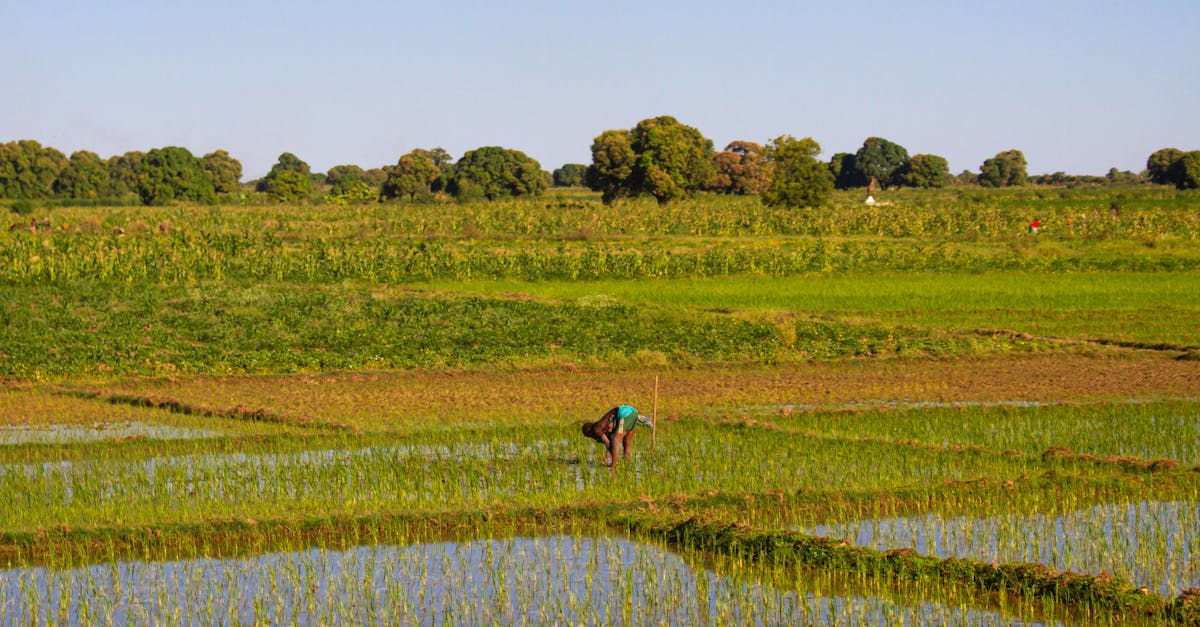
Analysis of the vulnerability of artificial intelligence workers in Madagascar to socio-economic and technological challenges.
The challenges of sovereignty and ethics in the face of the expansion of artificial intelligence.
The rapid advances in artificial intelligence highlight the need for Madagascar to redefine its sovereignty. The fragility of the economy, coupled with a vulnerable workforce, means that the country must develop a national strategy to control its data, resources, and technological development. Dependence on foreign actors can compromise the country’s ability to defend its interests.
From an ethical standpoint, the growing concerns surrounding abuses in surveillance, personal data processing, and intellectual property raise numerous questions. Responsibility is collective: governments, civil society, and private actors must move beyond mere commercial development to engage in a discussion on justice, transparency, and the equitable redistribution of benefits. The question then arises: how can we establish genuine digital sovereignty while respecting fundamental human rights principles?
How can Madagascar combat the precarious employment of AI workers?
It is essential to implement training programs, legally regulate the sector, and promote inclusive growth that values dignity and local skills. The creation of local innovation and entrepreneurship support structures must be encouraged.
What risks does technological dependence pose to Madagascar’s economy?
Increased dependence limits the country’s economic sovereignty, facilitates profit-sharing abroad, and undermines social stability in the face of an economy that remains vulnerable and undiversified.
How can effective regulation be established in Madagascar’s AI sector?
Strict regulation, combined with legislation protecting workers’ rights and a clear ethical framework, is necessary to prevent abuses and ensure balanced development.
What role can civil society play in this transformation? It can raise awareness, denounce abuses, support local initiatives, and contribute to the rebuilding of an ethical and human rights-respecting approach to development in the field of artificial intelligence.
🔗 Sources & références
Pour aller plus loin, consultez les sources citées dans cet article :
Découvrez notre guide complet — destinations, budget, visa, faune et conseils pratiques pour préparer votre voyage.

📖 Vous aimerez aussi

Transition à Madagascar : la société civile et la Génération Z face aux doutes sur le « Programme de la Refondation »
3 March 2026
Fermeture de l’aéroport de Dubaï : chaos et désarroi chez les voyageurs bloqués
2 March 2026