In a rapidly changing global geopolitical landscape, Madagascar is boldly pursuing a strategic rapprochement with Russia. This shift comes at a time when stability and national sovereignty are becoming crucial issues for the island, which faces renewed security challenges exacerbated by tensions between major powers. Military cooperation between Antananarivo and Moscow is intensifying, illustrating a clear desire to diversify international alliances and strengthen local defense capabilities. Russia, for its part, is pragmatically exploiting this opportunity to extend its influence in Africa, particularly in a region long considered to be under Western influence. Madagascar’s commitment to a balanced foreign policy, taking into account both its historical heritage and its strategic necessities, is shaping a new diplomatic landscape that could redefine its relations with traditionally privileged partners. This approach underscores a broader trend, where Madagascar’s diplomacy is moving towards greater autonomy, reflecting a logic of strengthened sovereignty in the face of global challenges. The central question remains: how does this shift influence regional stability and long-term security?
The stakes of the military rapprochement between Madagascar and Russia: a strategic pivot for security independence
For several years, Madagascar has emerged as a key player in the reshaping of the African geopolitical landscape, now fostering a strategic alliance with Russia. The renewed cooperation reflects a desire to strengthen its submarine and land defense capabilities, ensuring essential sovereignty in the face of external pressures. The presence of Russian trainers on Malagasy soil, inspecting and training the armed forces in the use of new equipment, demonstrates a gradual adoption of security autonomy. According to reliable sources, this collaboration is not limited to the military sphere, but also encompasses priority sectors such as energy and agriculture, which are among the strategic partnership areas favored by Moscow. This dynamic is unfolding against a backdrop of global tension, where dependence on Western partners is being challenged. Diversifying its alliances allows Madagascar to better defend its interests while asserting its commitment to controlling its own security choices. The challenge is clear: how does Russia, by providing concrete support, contribute to building a model of sovereignty defined by the capacity to overcome security crises?
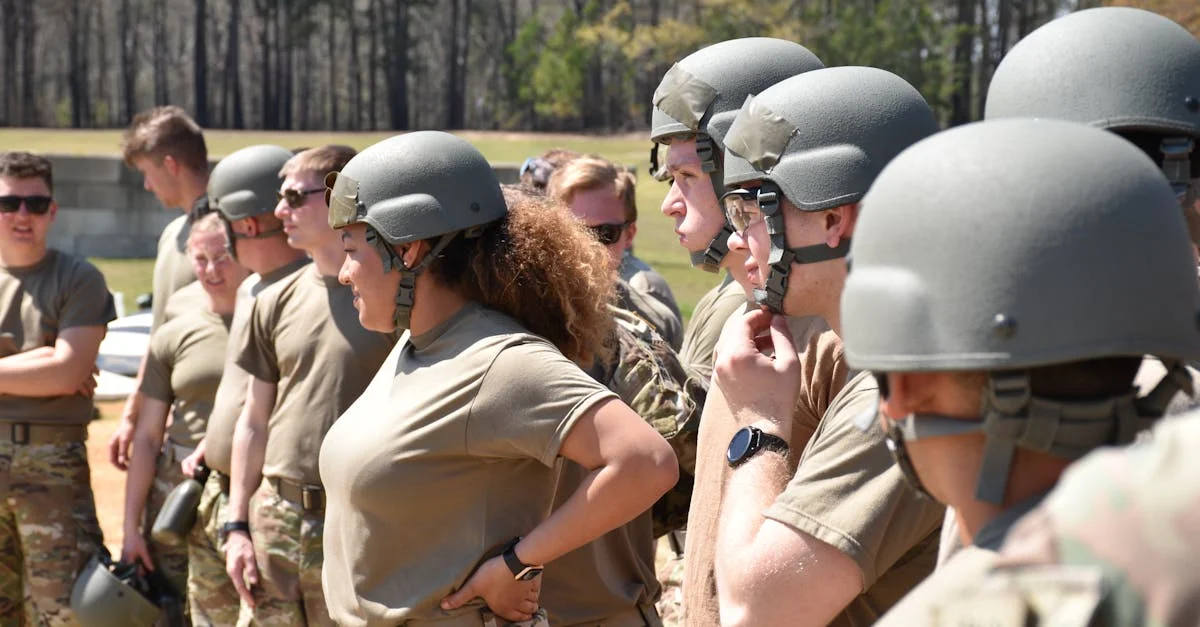
Discover the importance of military cooperation in strengthening security, fostering strategic alliances, and ensuring a coordinated response to international threats.
The economic and diplomatic dimensions of the Madagascar-Russia strategic partnership
The rapprochement between Madagascar and Russia now extends beyond the strictly military sphere to encompass a broader economic and diplomatic dimension. Russia is establishing itself as a privileged partner in sectors deemed crucial for the island’s sustainable development, such as agriculture, energy, and mining. Regularly renewed bilateral agreements reflect this desire to diversify its alliances and assert its autonomy in the face of Western influence. By opening itself up to Moscow, Malagasy diplomacy seeks to play a mediating role between several geopolitical blocs, in order to avoid excessive dependence on any single actor. Furthermore, Madagascar shares with Russia a common vision of multipolarity, resulting in increased cooperation within the BRICS framework, where Moscow encourages mutual engagement in projects of economic and strategic sovereignty. The realization of this dynamic is also evident in Madagascar’s participation in international forums, such as the recent meeting in Moscow focused on regional security, thus establishing a bold new diplomatic posture. The key to this strategy lies in the country’s ability to leverage its new partnerships to strengthen its position in an increasingly polarized world.
Expanding military cooperation: equipment, training, and challenges. At the heart of this dynamic lies a significant increase in military cooperation between Madagascar and Russia, notably through the delivery of modern equipment and personnel training. The equipment, including communication systems, armored vehicles, and small arms such as the Kalashnikov rifle, clearly strengthens the operational capacity of the Malagasy armed forces. The Russian delegation responsible for providing the training regularly organizes sessions in various units, with the aim of increasing their effectiveness and strategic autonomy.
| According to official sources, | this cooperation also contributes to the modernization of military infrastructure, an imperative for addressing current security crises. The training provided also includes crisis management and counterterrorism, with programs to develop a rapid response to local security challenges. The delivery of equipment thus contributes to diversifying sources of military materiel, a fundamental issue for reducing historical dependence on certain Western suppliers. The central question is: what do Madagascar and Russia truly expect from their strengthened military partnership? Equipment | Quantity | |
|---|---|---|---|
| Description | Impact | Armored Vehicles | 30 |
| Ground Forces and Patrol Units | Enhanced Mobility and Rapid Response Capability 🚶 | Kalashnikov Rifles | 10,000 |
| Standardized Small Arms | Improved Operational Unit Effectiveness 🎯 | Communication Systems | 15 |
Modern Technologies for Coordination
Optimized Operations Management 🛰️
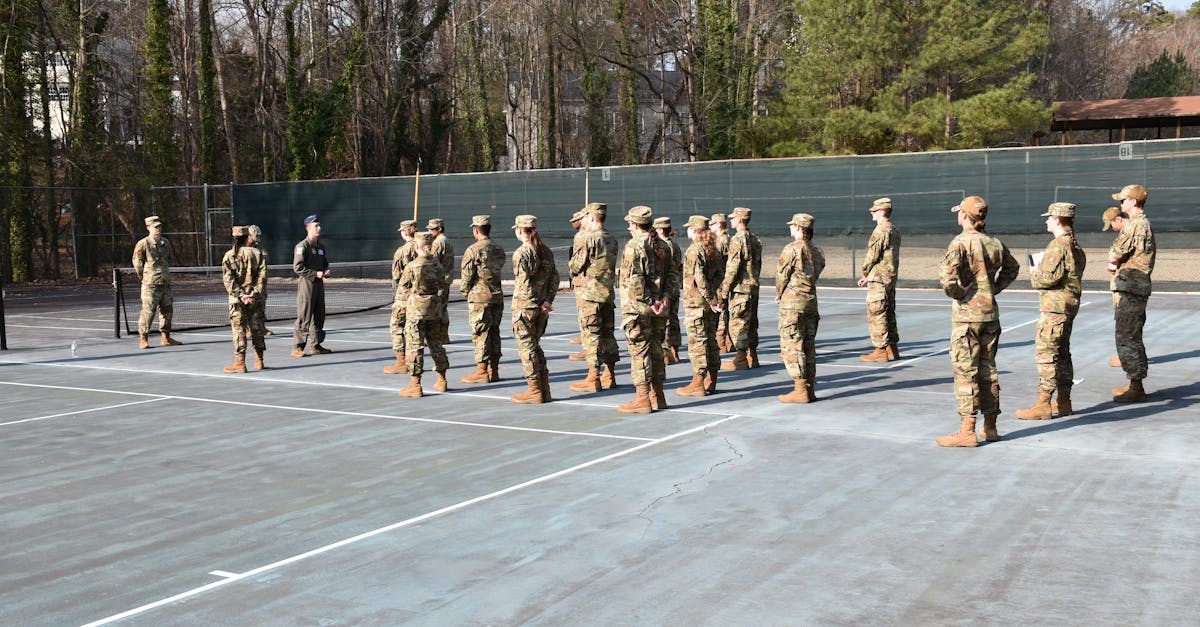
The rapprochement between Madagascar and Russia is part of a broader trend observable across several Francophone and sub-Saharan African states. The decision to diversify their alliances, particularly by strengthening their cooperation with Moscow, reflects a strategic desire to reduce their dependence on former colonial powers and Western diplomacy. Countries like Burkina Faso, Mali, and the Central African Republic have also opted for alliances with Russia, especially in the military sector. These increased partnerships involve the provision of equipment, personnel training, and collaboration in intelligence and security. By transferring this practice to Madagascar, Moscow seeks to establish a strong and lasting presence in Africa, participating in a deliberate power politics strategy. Diversifying alliances also allows these countries to acquire strategic technologies while strengthening their autonomy in the face of external pressures. The question then arises: can this multifaceted strategy help establish lasting stability in these crisis-stricken regions?

The challenges to national sovereignty in the face of expanding Russian alliances in Madagascar.
The growing partnership between Madagascar and Russia inevitably raises the question of national sovereignty. While this strategic cooperation allows for the diversification of sources of military and economic support, it also calls for increased vigilance. By relying on Russian defense expertise, Madagascar could legitimately gain autonomy, but at what cost? Potential dependence on Moscow remains a major concern for some analysts, who fear that this dependence could ultimately weaken the country’s diplomatic choices. It appears crucial for Madagascar to maintain diplomatic independence while avoiding excessive dependence, which could later hinder its relations with traditional partners such as France or other international actors. The ability to balance these alliances and preserve its fundamental interests in the face of multipolar diplomacy will be decisive for the sustainability of its security strategies. The real question is: how to maintain this autonomy while benefiting from the advantages of the partnership with Moscow?
Military cooperation refers to collaboration between the armed forces of different countries to strengthen security, share resources, and improve operational effectiveness.
Frequently Asked Questions about Strategic Cooperation between Madagascar and Russia
What are the main objectives of military cooperation between Madagascar and Russia?
This cooperation primarily aims to strengthen the operational capabilities of the Malagasy armed forces through the delivery of modern equipment, specialized training, and the transfer of military technologies, in order to guarantee regional security and the country’s strategic independence.
How does this alliance influence regional stability?
By strengthening its sovereignty, Madagascar contributes to greater stability in the Indian Ocean region. However, this alliance also raises questions about the polarization of influence and its compatibility with regional diplomacy.
Does military cooperation with Russia call into question relations with France?
Découvrez notre guide complet — destinations, budget, visa, faune et conseils pratiques pour préparer votre voyage.

📖 Vous aimerez aussi
Transition à Madagascar : la société civile et la Génération Z face aux doutes sur le « Programme de la Refondation »
3 March 2026
Fermeture de l’aéroport de Dubaï : chaos et désarroi chez les voyageurs bloqués
2 March 2026