
A historic Malagasy presidency of the SADC: a strategic turning point for regional integration
August 12, 2025, marks a decisive moment for the Southern African region: Madagascar, following a symbolic ceremony, officially assumed the leadership of the Southern African Development Community (SADC). At the center of this transition, Foreign Minister Rasata Rafaravavitafika received the symbolic gavel from her Zimbabwean counterpart, Amon Murwira, thus marking the responsibility conferred on Madagascar to steer the collective destiny of the 16 member countries until 2026. The holding of the 45th summit, organized in Antananarivo, demonstrates a strong desire to place this presidency within a dynamic of economic development, political stability, and strengthened regional diplomacy, particularly in the face of the security, infrastructure, and energy transition challenges that mobilize each stakeholder. In a context where South-South cooperation appears to be an essential lever for overcoming economic and political crises, Madagascar is positioning itself as a leader in a movement that aims to redraw the strategic map of the region, in union with other island countries such as the Seychelles and Mauritius. The presidency of the SADC therefore represents a unique opportunity to strengthen Malagasy diplomatic credibility, while contributing to African integration in a global environment marked by the ambitions of the African Union and the challenge of economic diversification.
This historic moment, highlighted by all regional leaders, illustrates the reform of regional priorities, particularly in the areas of industrialization, infrastructure development, and energy transition, in which Madagascar aims to play a key role. The Malagasy Presidency is not limited to a simple diplomatic function: it is an essential step in promoting the subregion within the community of African and international nations, while strengthening Madagascar’s policy of openness and modernization.
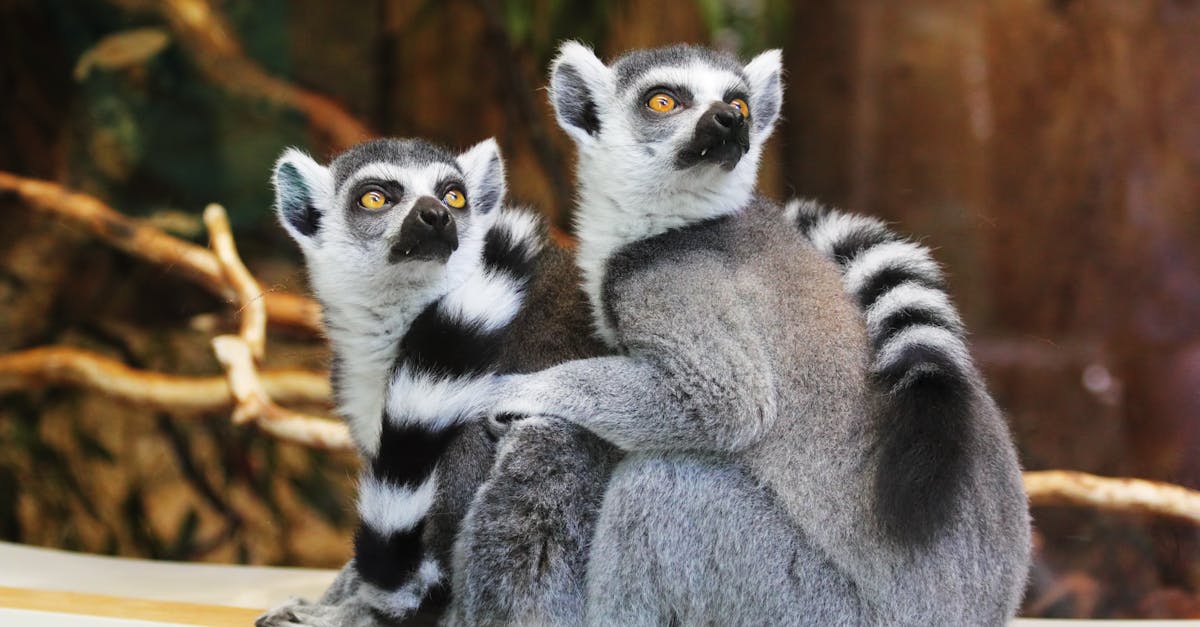
Discover Madagascar, a unique island in the Indian Ocean, famous for its exceptional biodiversity, heavenly beaches, rich culture, and breathtaking landscapes. Explore its natural and cultural treasures on an unforgettable journey.

By taking the reins of the SADC, Madagascar is entering a critical phase in its diplomatic and economic history. Geopolitical challenges are numerous, particularly in the face of traditional rivalries, such as those between former colonial powers and newer influencers like China and India. The region, rich in natural resources but also vulnerable to climate crises and insecurity, faces a dual challenge: ensuring stability while boosting economic development. The Malagasy presidency therefore presents an opportunity to unite these different ambitions, emphasizing the need for strengthened continental cooperation.
Food security, a strategic issue, is also a central issue, as the region must adapt to the effects of climate change, which severely compromises agricultural production and fisheries. Control of exclusive economic zones (EEZs), particularly for Madagascar, Mauritius, and the Seychelles, extends beyond the regional framework to encompass the global geopolitics of the seas, the Indian Ocean, and its trade routes.
The links with Malagasy politics, under the leadership of President Andry Rajoelina, illustrate the need for stronger African leadership, supported by proactive regional diplomacy. This involves not only organizing formal meetings, but also building a shared vision for sustainable development, integrating innovation, infrastructure, and military cooperation in the face of security challenges. Madagascar thus intends to make it a platform for dynamic regional diplomacy, capable of influencing dialogue with the European Union, China, and the African Union. The expected results, in terms of investments and partnerships, should also translate into a tangible improvement in the lives of the population, particularly through the creation of jobs in the blue and green economies, promising sectors for the region.
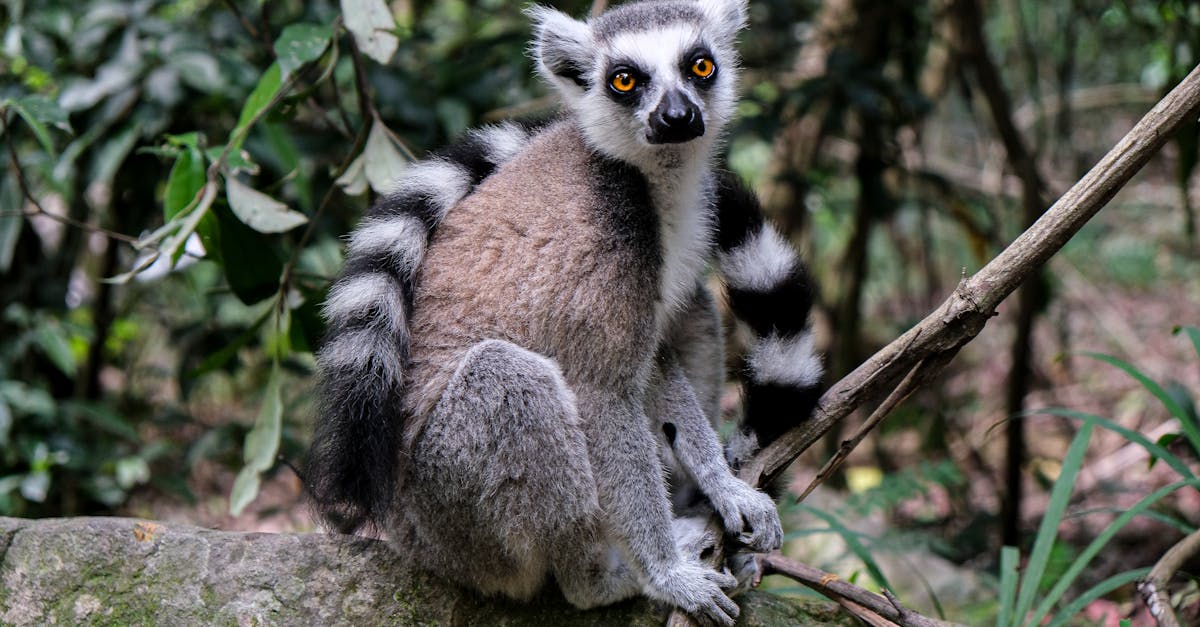
Discover Madagascar, an exotic island rich in biodiversity, heavenly beaches, and unique cultures. Explore the natural treasures and fascinating traditions of this jewel of the Indian Ocean.
The logistical and institutional challenges of Madagascar’s presidency of the SADC
The context of this presidency is also marked by a pressing need to revise the Regional Indicative Strategic Development Plan (RIDSP) 2020-2030. Faced with successive crises—political tensions, social tensions, and economic crises—the region must readjust its priorities to ensure balanced development. The COVID-19 pandemic, as well as climate change, have revealed the vulnerability of infrastructure and the inadequacy of regional resilience mechanisms. The modernization of transport networks, particularly via international corridors, as well as the deployment of digital technologies, must accompany this new phase. The Malagasy presidency also aims to strengthen cohesion between island countries and continental nations, which sometimes have divergent visions. In this regard, Malagasy diplomacy plays a central role in facilitating dialogue, ensuring that the benefits of regional integration are perceived as an opportunity rather than a threat. Implementing joint projects in marine resource management, the fight against piracy, and energy security requires constant adaptability and strong governance.
To achieve a solid consensus, Madagascar will also need to mobilize its international partners, particularly the World Bank and the African Development Bank, to finance key projects. Consistency between Malagasy policy and the community’s vision is essential to maximizing the impact of this presidency.
Discover Madagascar, a unique island with spectacular landscapes, exceptional biodiversity, and a rich culture. Embark on an adventure and explore the natural wonders of this fascinating Indian Ocean destination.
Madagascar’s flagship initiatives to strengthen regional cooperation
During this presidency year, Madagascar launched several bold initiatives aimed at boosting regional cooperation. Among these, the creation of a regional fund for food security and agricultural development is at the forefront. This fund aims to finance joint projects, particularly in the fight against land degradation and the sustainable management of fisheries resources. It must also promote technology transfer and the development of local capacities, drawing on Malagasy expertise in the agribusiness sector.
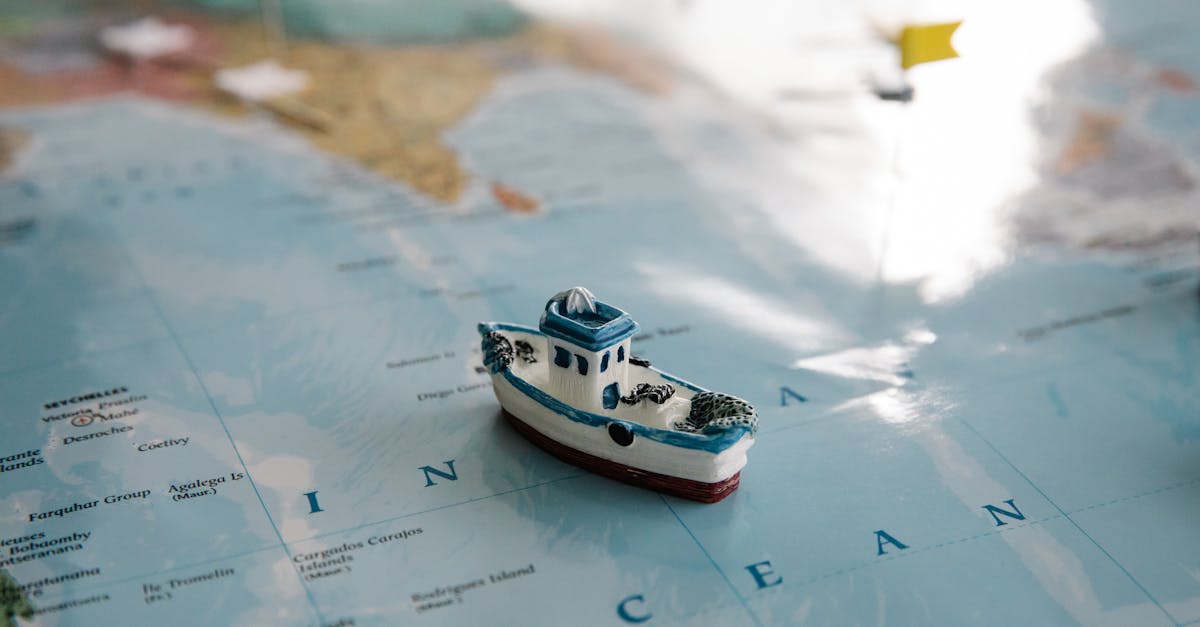
The integration of the tourism, trade, and fisheries sectors is also in focus, with a strategic plan that includes facilitating trade and promoting regional heritage. Shared governance and the participation of local stakeholders, including youth and civil society, will be fundamental to the success of these initiatives.
Finally, this presidency also aims to be educational, advocating for increased awareness in the region regarding the challenges of climate change and sustainable ocean management. Engaging young people, through digital platforms and training, is a priority enshrined in Madagascar’s youth engagement and civic engagement policy.
Possible consequences of the Malagasy presidential election on regional development
The implications of this presidency for regional dynamics extend far beyond the diplomatic sphere to directly impact local development. The implementation of joint projects focused on resilience in the face of crises or climate hazards could lastingly transform the face of the region. The region could experience a significant acceleration in economic growth, thanks to better integration of value chains, particularly in the agro-industry, fisheries and sustainable tourism sectors.
On the social level, this dynamic could foster a significant reduction in regional disparities if projects are implemented with a focus on inclusion and citizen participation. Job creation in emerging sectors, training young entrepreneurs, and improving social infrastructure will undoubtedly be concrete levers for reducing poverty. Malagasy diplomacy, by favoring a partnership approach with local stakeholders, must ensure a balanced distribution of benefits.
The risks, however, should not be minimized. The economic dependence of several island countries on certain sectors, such as fishing or tourism, could slow trade diversification. Furthermore, lack of transparency in management or political instability would interfere with the consolidation of this ambition. The success of this Malagasy presidency will therefore depend on its ability to unite all stakeholders around a common project, overcoming traditional divisions. https://www.youtube.com/watch?v=Z99xfpZVubI
Regional Diplomacy, a Driving Force for African Integration under the Malagasy Presidency
More than simply managing summits and meetings, regional diplomacy under the Malagasy Presidency represents a genuine strategy for strengthening African leadership. Through this commitment, Madagascar aims to make the SADC a lever for deeper African integration, closely aligned with the African Union’s policy. The convergence of economic, security, and environmental interests must fuel constructive dialogue to overcome past divisions.
Diplomatic issues are of paramount importance, as they illustrate Madagascar’s ability to play a pivotal role in international cooperation. Negotiations with powerful international financial institutions, such as the African Development Bank, are strengthened by active representation in these forums. Malagasy diplomacy also plays a facilitating role, amplifying the voice of small island nations in the face of large continental or global blocs, thus contributing to greater equity in regional and global governance.
The medium-term prospects include the establishment of a more unified African development space, capable of exerting influence on the global stage while asserting its economic and political sovereignty. African leadership must finally be embodied in a shared vision, in which each country, large or small, participates in building a strong, resilient, and sustainable region, in perfect harmony with the continental ambitions championed by the African Union.
Prospects for sustainable development and innovation under the Malagasy Presidency
By adopting a sustainability-focused agenda, Madagascar intends to strengthen its position as a pioneer in the region’s ecological transition. The presidency highlights concrete sustainable development initiatives, particularly in the renewable energy sector, where the country can invest heavily in wind, solar, and geothermal energy. The region, often dependent on expensive fossil fuels, would thus be encouraged to make a qualitative leap towards a green economy.
Infrastructure modernization, coupled with the implementation of innovative technologies in water, waste, and mobility management, will contribute to economic transformation. The region must also commit to a policy of technological innovation to strengthen the competitiveness of its industries. Digitalization, particularly in the retail and local sectors, is another major ambition, promoting the integration of SMEs and the creation of market opportunities on a continental scale. Joint efforts in these areas have the potential to generate a virtuous circle: the preservation of natural resources, inclusive economic growth, and the creation of sustainable jobs. International cooperation can also support this vision, through projects funded by partners such as the World Bank and the French Development Agency. Implementing these measures will strengthen the region’s image as a laboratory for African innovation, showcasing Malagasy leadership in a rapidly changing global context.
Social and Cultural Impacts of the Malagasy Presidency in Southern Africa
More than just an economic or diplomatic issue, this presidency also raises the question of its social and cultural impact within member nations. Promoting regional identities, promoting youth, and a shared culture are essential to uniting the region around a shared project. Madagascar, rich in cultural heritage, wishes to highlight this richness during meetings to strengthen unity and a sense of regional belonging.
Educational initiatives, student exchange programs, and the networking of vocational training centers are all levers for ensuring sustainable social cohesion. The digital platform created for youth, particularly as part of Madagascar’s development policy, should foster the emergence of local and regional leaders capable of anticipating future crises.
Furthermore, preserving shared cultural heritage, promoting indigenous languages, and affirming traditional values in a modern context all contribute to a renaissance of identity. The richness of a diverse continent, fostered by this regional dynamic, could also attract increased tourist flows, thus consolidating the cultural sector as an economic driver.
Thus, the Malagasy Presidency aims to be a vehicle for cultural unity, affirming that regional cooperation cannot ignore a shared perception of values, traditions, and diversity. The success of this approach also depends on civic engagement, particularly that of young people, who will be the indivisible agents of positive change.
Opportunities for young people and the local economy in the face of Malagasy policy in the SADC region
The Malagasy policy led by Andry Rajoelina, as part of this Presidency, aims to open up new perspectives for youth and the local economy. The revitalization of growth sectors such as fishing, tourism, and the textile industry is part of a desire to create sustainable jobs. The region offers major potential in the blue economy, with responsible exploitation of maritime areas, and in the green economy, through the implementation of renewable energy infrastructure.
Furthermore, the promotion of dynamic local entrepreneurship will help reduce dependence on external partners while fostering the development of new skills throughout the regional basin. The establishment of incubators, coworking spaces, and digital platforms reflects this ambition to transform the region into an innovation hub.
At the same time, young people, often facing a lack of opportunities, must be placed at the heart of public policies. Malagasy policy includes specific programs to encourage civic participation, vocational training, and the emergence of local talent.
The textile and vanilla sectors, both promising for the future, bear witness to this, as does the promotion of cultural heritage through local events and competitions.
The success of this strategy depends on the ability to unite all stakeholders around a common project, leveraging the strength of bold and dynamic leadership, respecting tradition while innovating to meet contemporary challenges.
The risks and limitations of this presidency: a critical look at Malagasy ambitions in Southern Africa
Despite the promising context, this Malagasy presidency also raises legitimate questions about its limitations and risks. Political stability, often fragile in Madagascar as in other member states, could hinder or slow the implementation of ambitious projects. Poor governance, corruption, and social tensions could affect diplomatic credibility and the success of regional initiatives.
Furthermore, economic dependence on certain key sectors—particularly fishing, which fuels a large part of the island’s economy—exposes the region to risks of instability if these industries suffer setbacks. Diversification, often discussed in Malagasy politics, remains a challenge to be addressed in the medium and long term.
The challenges of modernizing infrastructure, which require massive investment, must also address the complexity of administrative reforms and budgetary constraints. Cooperation with international partners, while essential, must be managed to avoid excessive dependence or unfavorable conditions. Finally, the global geopolitical context, marked by superpower rivalry and trade tensions, could limit regional room for maneuver. The Malagasy presidency will need to demonstrate prudence and strategic skill to transform these risks into opportunities, strengthening internal cohesion and consolidating regional credibility. It therefore remains essential to continue to unite all stakeholders, while establishing transparent and effective governance, to make this presidency a lasting step in the African integration process. Frequently Asked Questions
What is Madagascar’s exact role in the SADC presidency?
Its main objective is to lead the 45th summit, coordinate regional actions, and promote economic, social, and security cooperation among members over the course of a year.
What are the main challenges Madagascar must address to successfully hold its presidency?
Major issues include political stability, infrastructure modernization, institutional cohesion, and mobilizing international partners to finance the region.
How can this presidency influence Madagascar’s economic development?
By strengthening its diplomatic position, Madagascar can attract more investment, promote growth in key sectors, and accelerate the integration of the regional economy, directly benefiting its citizens.
What are the benefits for the region’s youth of this new dynamic?
Investments in training, entrepreneurship, and digitalization will create new employment and leadership opportunities for local youth and encourage active participation in regional development.
How does Malagasy politics influence diplomacy and regional cooperation? It demonstrates a strong commitment to stronger African leadership, aligning domestic policy with the continental vision, valuing sovereignty, and fostering balanced partnerships.
Source:
la1ere.franceinfo.fr
Découvrez notre guide complet — destinations, budget, visa, faune et conseils pratiques pour préparer votre voyage.

📖 Vous aimerez aussi

Transition à Madagascar : la société civile et la Génération Z face aux doutes sur le « Programme de la Refondation »
3 March 2026
Fermeture de l’aéroport de Dubaï : chaos et désarroi chez les voyageurs bloqués
2 March 2026