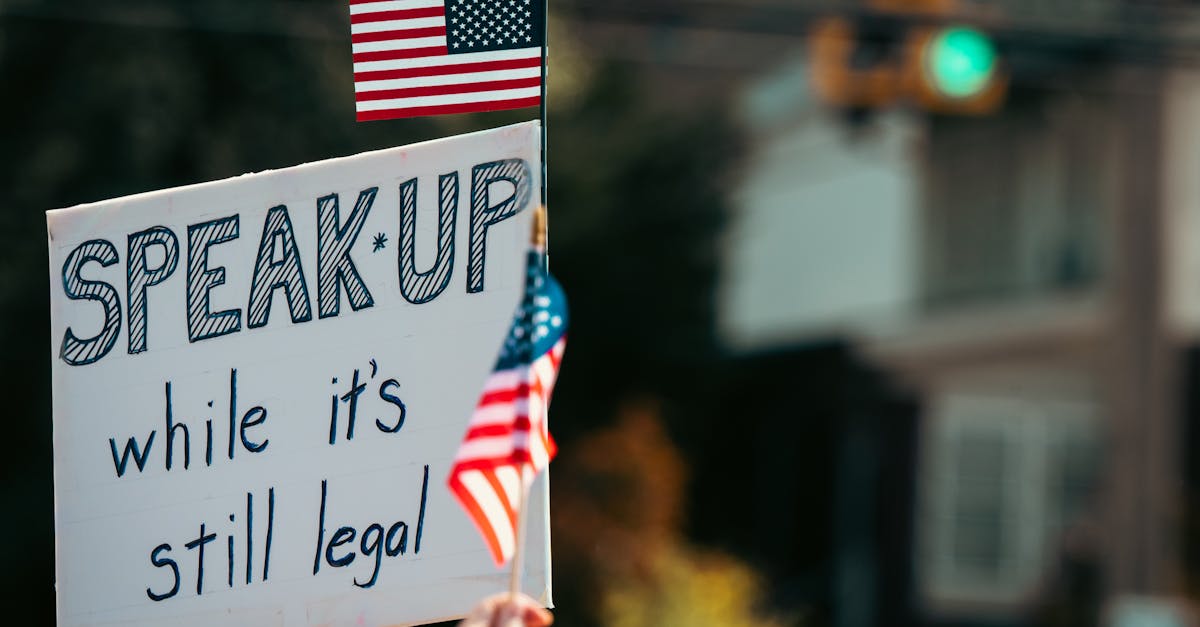

For several weeks, Madagascar has been experiencing an unprecedented political crisis, fueled by a protest movement led by Generation Z. This youth movement, amplified through social media, expresses profound dissatisfaction with the socio-economic situation and the country’s governance. Several converging factors have exacerbated the sense of distress among young Malagasy people, who see this mobilization as a hope for change, but also a source of uncertainty. The recent fall of former president Andry Rajoelina, replaced by Colonel Michaël Randrianirina, marked a crucial step, but has not eased tensions. The Malagasy diaspora, particularly in France, is observing this crisis with concern, expressing both solidarity and worry about its potential escalation, which could destabilize the country. This collective engagement, fueled by social media, is generating growing international interest, demonstrating a profound need for lasting reforms. However, this protest also raises fundamental questions about the future of Madagascar. Between political stakes, citizens’ aspirations, and the risk of violence, the current context requires careful analysis and increased involvement from all stakeholders to prevent this crisis from escalating and having irreversible consequences for the island nation.
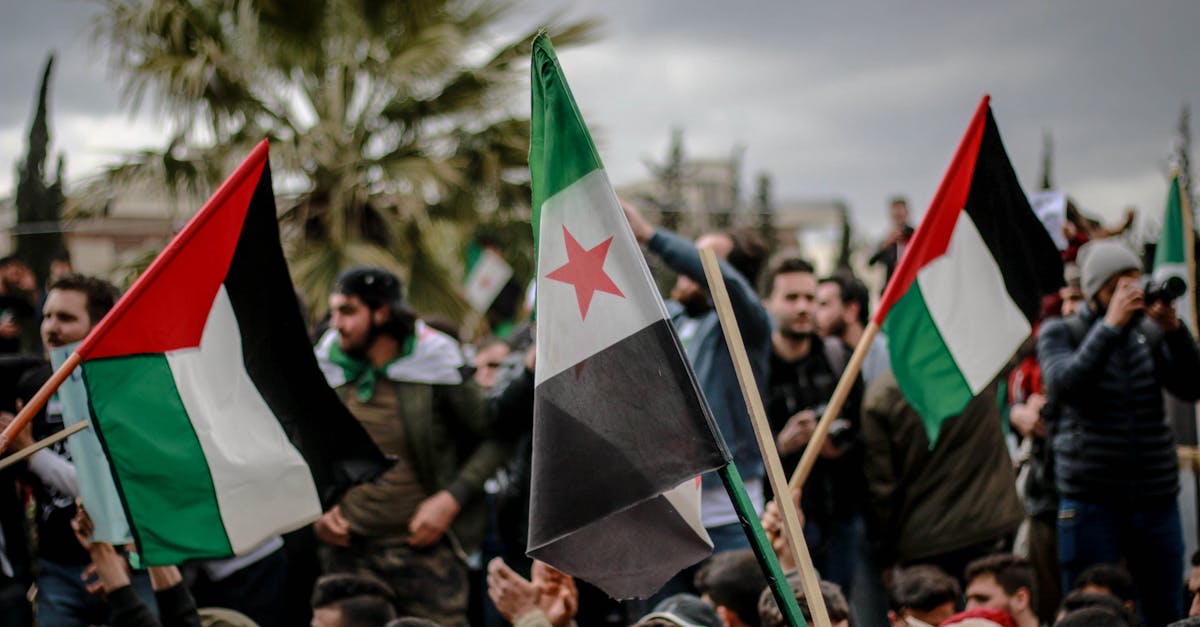
Discover the diaspora, its origins, its cultural and social impact around the world, and the connections between dispersed communities.
The deep roots of the protest movement among Malagasy youth.
The role of social media in disseminating and structuring the protest movement in Madagascar
Social media plays a crucial role in structuring the current protest movement. It acts as a catalyst, allowing young Malagasy people to share their demands, coordinate their actions, and amplify their voices nationally and internationally. Generation Z is highly adept at using these digital tools, which, since the movement’s inception, have facilitated the organization of massive, sometimes spontaneous, demonstrations in response to repressive measures and communication blackouts. The power of this online activity has resulted in increased visibility, preventing the government from downplaying the movement’s scale. Social media has thus broadened the debate, united the discontented, and garnered international solidarity. The digital strategy, combined with grassroots activities, is forging a united front capable of confronting authorities who are often overwhelmed or attempting to defuse the crisis with temporary measures. However, while this intense online activity is a powerful lever, it also poses risks in terms of disinformation and manipulation, making the movement’s long-term stability more fragile. Discover everything about the diaspora: histories, cultures, and communities around the world.
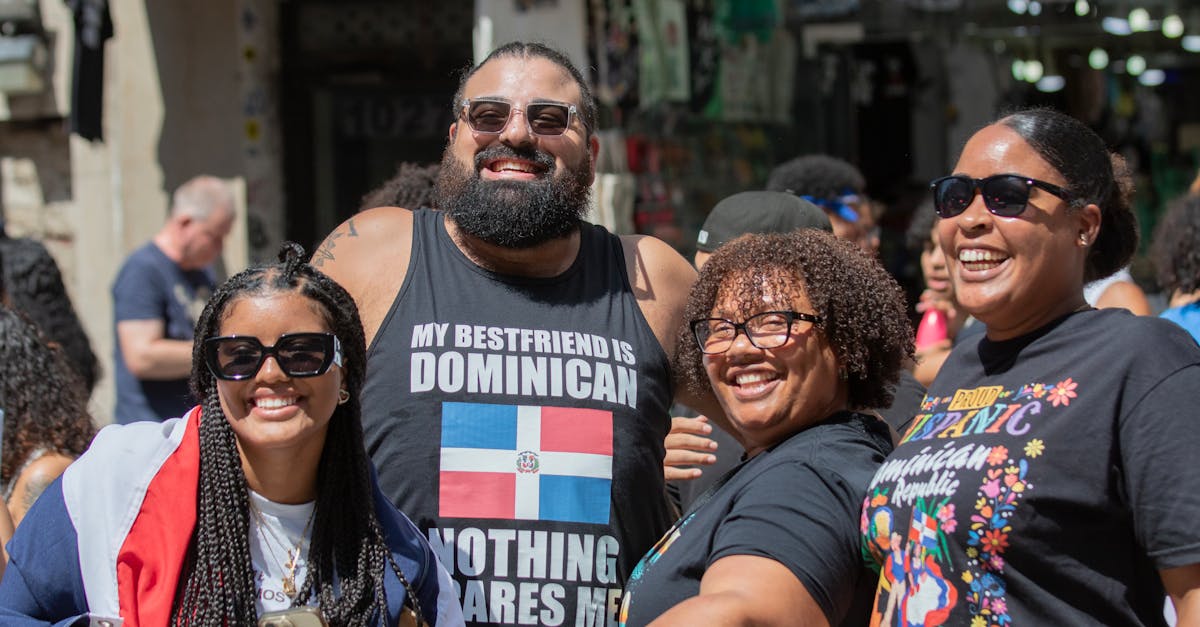
The immediate repercussions of the Generation Z protests in Madagascar are visible on several levels. Politically, the ouster of Andry Rajoelina and the recent inauguration of Colonel Michaël Randrianirina illustrate the fragility of a system in flux, still marked by power struggles. The promise of elections within 18 to 24 months appears to be a concession, but mistrust remains regarding the sincerity of these commitments. The fear of a military regime or a return to authoritarian governance fuels uncertainty among the population. Socially, the mobilization has also exacerbated tensions, with violence and loss of life, including at least 22 victims according to some official sources. The crisis has also reinforced the need for civil society to be structured around a common project capable of uniting the various opposing forces. The immediate priority remains preserving social peace and establishing a constructive dialogue between authorities and citizens, in order to prevent an escalation that could further destabilize an already vulnerable country.
| Impact | Description | Consequences |
|---|---|---|
| Political | Regime change, new figures | Short-term instability, promises of elections |
| Society | Massive youth mobilization, demands for social justice | Violence, loss of life, concerns |
| International | Increased attention from the international community | Calls for calm, diplomatic assistance |
Future challenges for Madagascar in the face of rising youth protests
Madagascar’s future prospects largely depend on the ability of political actors to integrate the voice of youth into the reconstruction process. Addressing the legitimate demands of Generation Z, particularly regarding employment, education, transparency, and civic participation, could foster a more peaceful resolution to the crisis. However, if these demands remain unanswered, there is a real risk of escalation, potentially leading to prolonged instability or the radicalization of certain groups. The international community, including the African Union and the European Union, is closely monitoring the situation, offering both critical perspectives and potential support for a peaceful transition. For Madagascar to overcome this crisis, it will be essential to unite all the country’s vital forces around a common project, including youth, economic actors, and civil society. Establishing an inclusive and transparent dialogue could thus help restore stability and build a sustainable future, avoiding the repetition of past mistakes.
Discover the concept of diaspora, its origins, its cultural and social influence, and the dynamics of diasporic communities around the world.
The role of the Malagasy diaspora in France in supporting the protest movement.
The Malagasy diaspora, particularly in France, plays a crucial role in supporting the protest movement in Madagascar. In Cachan, in the Val-de-Marne department, young Malagasy people actively involved in the national mobilization are expressing their solidarity from afar. During a planned demonstration in Paris, they emphasized the importance of international solidarity in the face of a crisis that could have lasting repercussions on the island’s stability. Their support extends beyond demonstrations: they are also participating in fundraising efforts for the protesters, as well as mobilizing economic and intellectual contributions. These young Malagasy people, often graduates or trained in key sectors, bring expertise that can enrich the national dialogue. The recent political development with the appointment of a new president by Colonel Michaël Randrianirina demonstrates that the Malagasy community in France remains engaged. Their commitment, whether moral or material, underscores the diaspora’s significant interest and influence in the crisis, while also bearing witness to the difficulties the country faces at this crucial moment.
The geopolitical and economic context of Madagascar in 2026 in the face of the crisis
The overall context of Madagascar in 2026 is marked by profound political and economic instability. The current crisis stems not only from internal tensions but also from a highly complex regional context. The economic downturn, exacerbated by the collapse of foreign investment and the stagnation of key sectors such as agriculture and tourism, has increased the vulnerability of the population. Madagascar’s strategic position in the Indian Ocean, as a geostrategic pivot, is no longer sufficient to guarantee lasting stability. The recent political transition, with the installation of Colonel Michaël Randrianirina as head of state, has been perceived as both a risky and potentially salvific step, if it leads to genuine inclusive dialogue. Internationally, the global community and bilateral partners insist on respect for democratic processes and transparent governance. However, economic dependence and weak institutions make the country vulnerable to the rise of popular demands, primarily led by young people, who are calling for profound structural reform to overcome the systemic crises.
The need for constructive dialogue to resolve the crisis in Madagascar
The major challenge in Madagascar now lies in establishing a truly inclusive dialogue among all the country’s stakeholders. The socio-political crisis stemming from the protests of Malagasy youth highlights the urgent need to abandon coercive solutions in favor of a consultation-based approach. Implementing a transparent process that respects citizens’ demands could pave the way for a peaceful resolution. The active participation of young people, considered the primary stakeholders, is essential to legitimizing the debate and building renewed trust. The role of the international community, particularly through diplomatic and financial assistance, must not be overlooked in this process. The key to a stable future lies in the ability of leaders to listen to and integrate these demands, while respecting the principle of sovereignty. Without this, the crisis risks persisting, or even worsening, with the potential for increased fragmentation and further violence, especially if young people continue to organize and demand their rights in an increasingly radical manner.
How is Generation Z influencing the political scene in Madagascar?
Through their online activity and civic engagement, this generation is challenging traditional governance and pushing for greater transparency and social justice.
What are the risks if the protest movement is ignored?
A lack of dialogue could lead to an escalation of violence, social fragmentation, and a prolonged crisis, jeopardizing the country’s future stability.
What role does the Malagasy diaspora play in this crisis?
It provides moral, financial, and intellectual support through various initiatives in France, thereby strengthening the legitimacy and visibility of the protest movement.
What are the economic and geopolitical challenges facing Madagascar in 2026?
The country must manage a situation of increased economic dependence while navigating a complex regional context where its strategic priorities are constantly evolving. How can a constructive dialogue be established to overcome the crisis?
🔗 Sources & références
Pour aller plus loin, consultez les sources citées dans cet article :
Découvrez notre guide complet — destinations, budget, visa, faune et conseils pratiques pour préparer votre voyage.

📖 Vous aimerez aussi
Transition à Madagascar : la société civile et la Génération Z face aux doutes sur le « Programme de la Refondation »
3 March 2026
Fermeture de l’aéroport de Dubaï : chaos et désarroi chez les voyageurs bloqués
2 March 2026