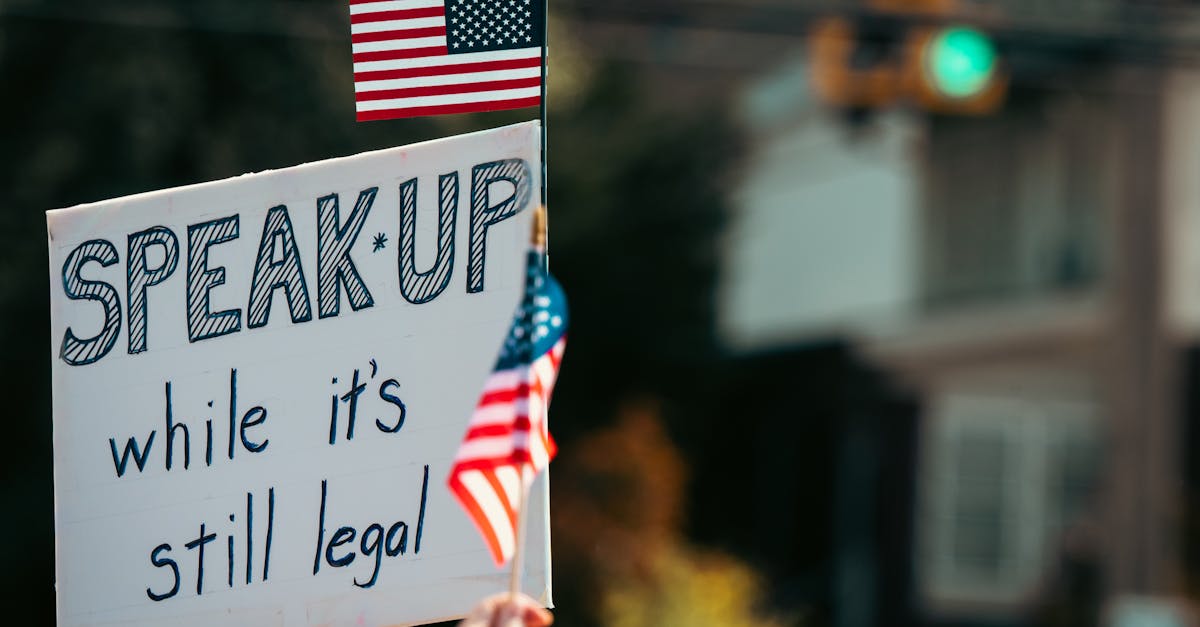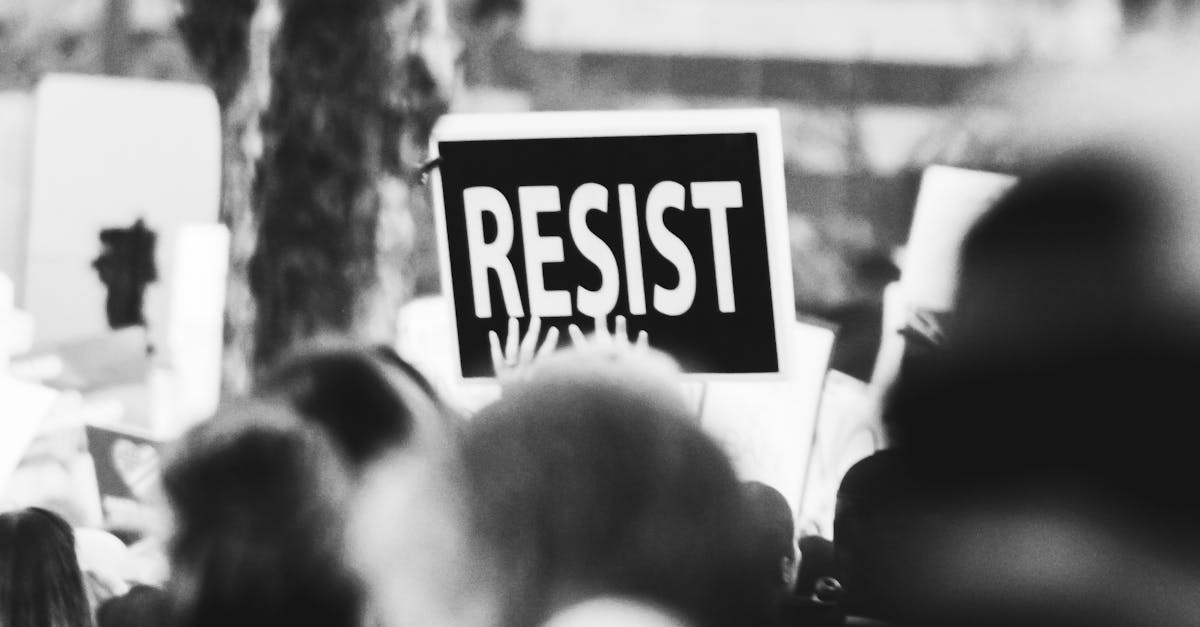

In 2026, the Republic of Madagascar is experiencing an unprecedented social crisis, fueled by relentless water and electricity cuts that have exacerbated popular discontent and rekindled a sense of abandonment by the authorities. Tensions are reaching a critical point, with a massive mobilization poised to spread throughout the country, particularly in the capital, Antananarivo, where the population, aware of its fundamental rights, is demanding concrete solutions to the failing management of public services. The accumulated frustration, fueled by years of broken promises, is transforming into a protest of unprecedented scale, bringing together young people, households, shopkeepers, and political activists, all united by a single objective: to demand an end to the cuts and respect for the right to water and electricity. The police repression initiated by the government only fuels this movement, which, despite restrictions and threats, persists and intensifies, giving rise to hope for lasting political change in Madagascar. Large-scale demonstrations are thus organized in response to a situation that is becoming critical, illustrating the need to question territorial governance and the current economic model. The energy and water crisis, exacerbated by a persistent economic crisis and an uncertain international context, serves as a catalyst for social protest charged with emotion and legitimate demands, but also carrying a crucial issue: safeguarding the fundamental right to water and electricity at the very heart of the national debate.
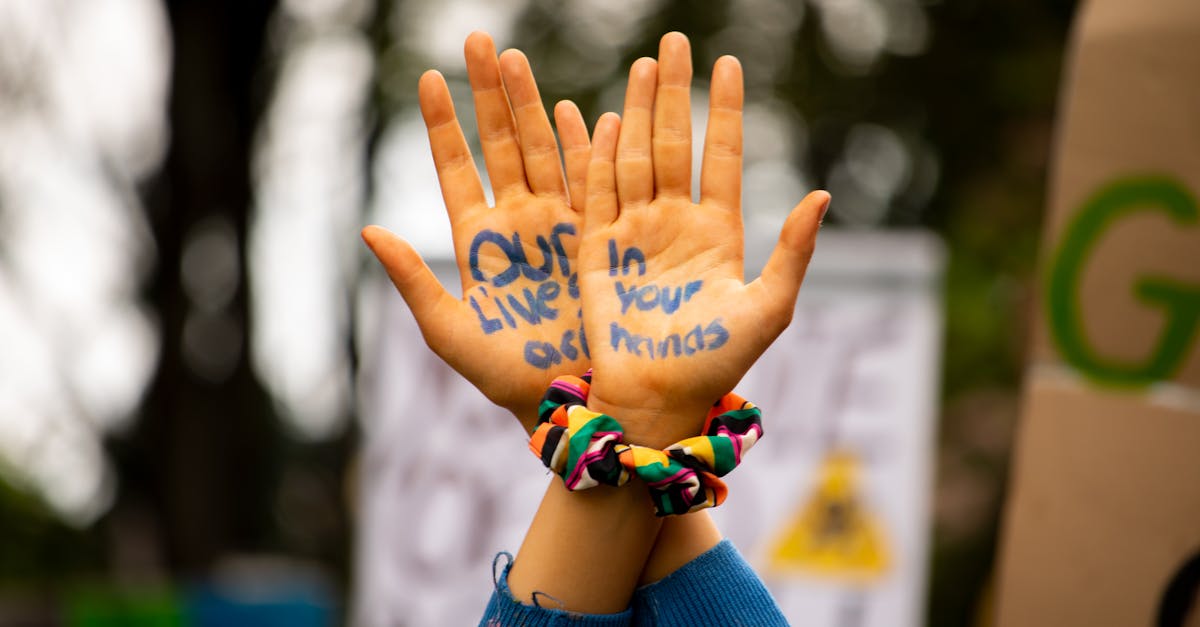
The root causes of the mobilization against the public services crisis in Madagascar
The rise of protests in the country is rooted in a combination of structural and cyclical factors. For several years, Madagascar has suffered from a chronic deficit in the management of energy and water resources, exacerbated by poor investment in vital infrastructure. Dependence on non-renewable energy sources, such as coal and oil, combined with rapidly growing consumption, has overloaded the electrical grid, causing recurring power outages. Furthermore, the disastrous management of the public utility Jirama, accused of malpractice and chronic underinvestment, is worsening the crisis. The water supply situation is equally worrying, characterized by unequal and often insufficient distribution, fueling popular discontent. The lack of transparency and corruption within the responsible institutions reinforce the perception of a state incapable of ensuring the health security and dignity of its citizens. The 2023 global economic crisis, which impacted the region, only exacerbated the situation, leaving populations without sufficient resources to pay their bills while suffering from the deprivation of essential services. Young people, often marginalized or victims of discrimination, are mobilizing in response to this deterioration, embodying a generational challenge regarding the country’s future. Ecological degradation, through the intensive exploitation of natural resources, is also a secondary cause of this rise in protest, with direct consequences for water availability and the stability of the electricity grid. The fragility of Madagascar’s centrifugal system, weakened by flawed governance and a lack of sustainable investment, necessitates a thorough analysis to consider lasting solutions. Discover everything about the demonstrations and protests: causes, issues, and social impact.
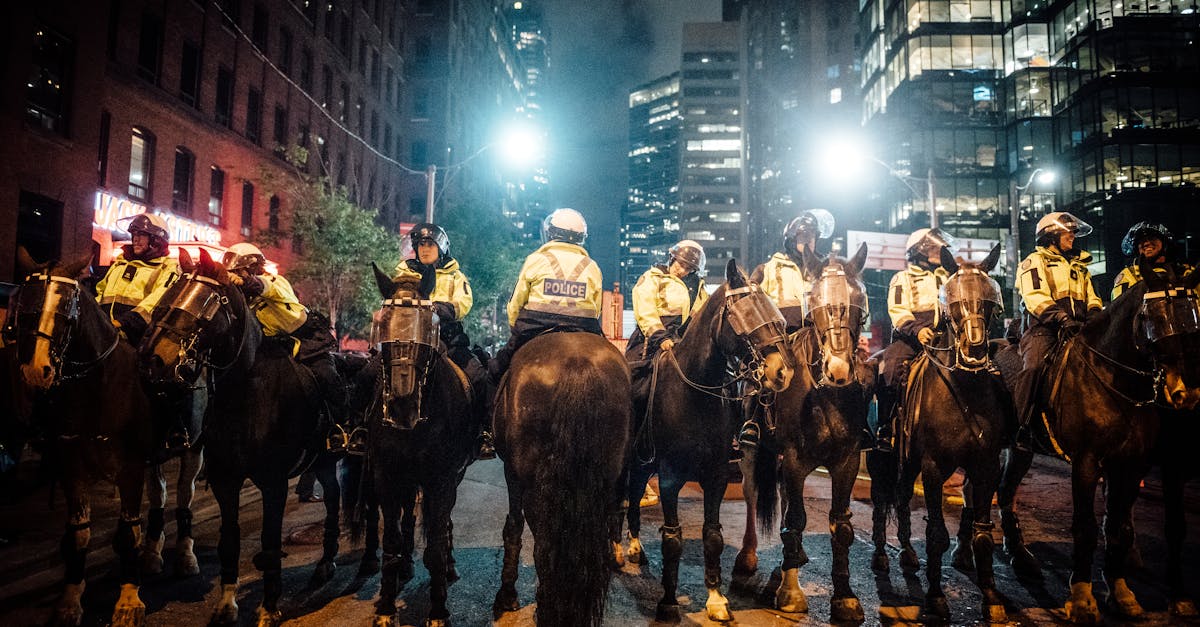
The environmental and social challenges linked to water and electricity shortages
At the heart of the crisis are major environmental and social issues, highlighting the need for sustainable and equitable resource management. Water scarcity, exacerbated by climate change, is causing deterioration of the natural landscape and local ecosystems. Decreased rainfall and the increasing frequency of droughts reinforce this vulnerability, making the question of the right to water even more crucial. On a social level, this crisis is plunging families into poverty, forcing thousands of households to prioritize daily survival at the expense of their hygiene and health. Power outages, meanwhile, paralyze economic and educational activities, contributing to the widening of social inequalities. The environmental problem is also exacerbated by massive deforestation, which reduces water storage capacity and weakens the hydrological cycle. Open burning of waste, common in some rural areas, also contributes to air pollution, impacting public health. The real challenge now lies in uniting all stakeholders around a sustainable project that integrates environmental protection, transparent governance, and national solidarity in the face of this multidimensional crisis. This raises the question of collective mobilization to overcome this crisis, combining environmental emergencies with social demands. » Discover everything about the protests: their causes, demonstrations, and social impacts. Learn about citizen movements and grassroots engagement. Citizen Mobilization Strategies to Denounce Massive Water and Electricity Cuts Faced with political deadlock and uncertainty regarding the government’s proposed solutions, Malagasy citizens have decided to take their destiny into their own hands through structured protest actions. The main strategy lies in organizing peaceful demonstrations, even though police repression persists, particularly in Antananarivo where thousands of people have converged on strategic locations. The use of social media plays a crucial role, mobilizing youth and local associations to coordinate a movement that extends far beyond the traditional framework of protest. The real-time dissemination of videos, articles, and calls for solidarity gives renewed visibility to the struggle for the “right to water” and the “right to electricity.” Some public figures, by joining these initiatives, are helping to build a powerful movement of public opinion, capable of putting pressure on the government. The use of symbolic actions, such as burning tires, symbolically blocking roads, or holding rallies in working-class neighborhoods, allows the voices of the voiceless to be heard. International solidarity is also being sought by NGOs, particularly to put pressure on the Malagasy authorities and obtain funding for the rehabilitation of failing infrastructure. The creation of lists of demands, accompanied by a precise timetable, illustrates a desire for structured action, calling for concrete measures to ensure lasting access to essential services. This movement, a true expression of rejection of the status quo, demonstrates that strong citizen mobilization can challenge an inadequate governance model.
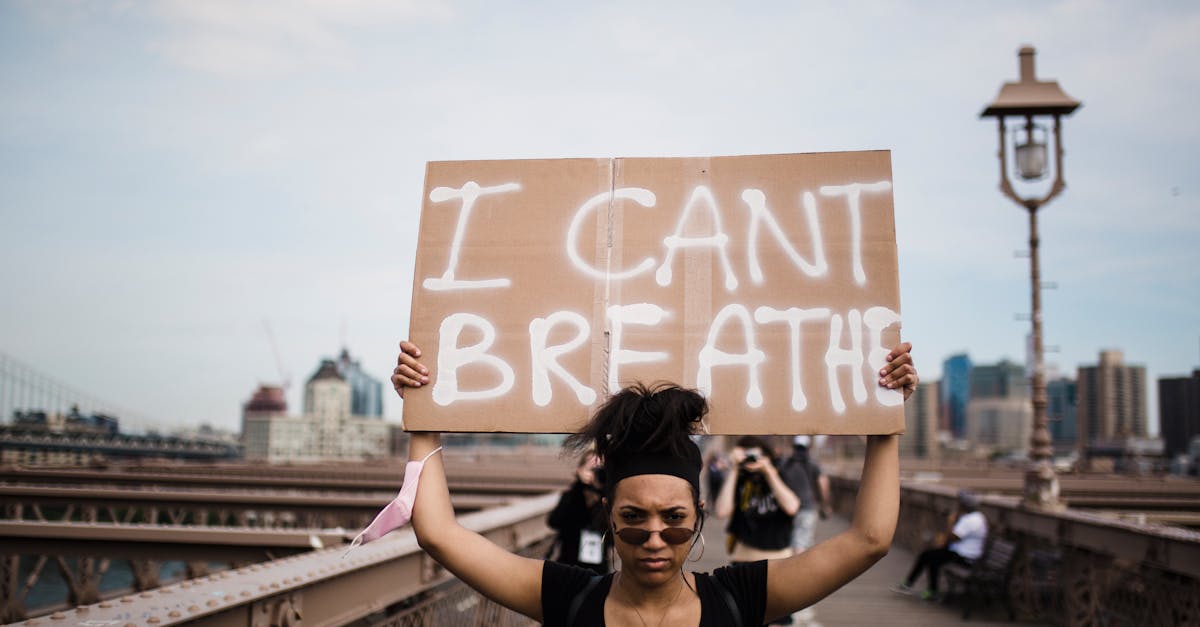
Protests against water and electricity cuts take various forms, ranging from symbolic acts to mass movements. Peaceful gatherings, sometimes brutally dispersed by force, are often accompanied by barricades, burning tires, and chants of solidarity. However, these actions are regularly hampered by police repression which, under the pretext of maintaining order, restricts freedom of expression and stifles the movement’s momentum. The lack of legal protections for some protesters, as well as the absence of official recognition of their demands, complicates mobilization. The major difficulty lies in the withholding of information, where censorship and disinformation fuel confusion, a fragile balance maintained despite citizen engagement. The increasing number of arrests of elected officials and opinion leaders, as has been the case in several neighborhoods, limits the organizers’ ability to hope for a peaceful outcome. The fear of a violent escalation, which could trigger a spiral of confrontations, fuels a climate of tension where the fear of provocations or acts of sabotage worries both protesters and authorities. The need for inclusive dialogue still seems distant, but remains the only way out of this impasse. International solidarity, through independent reports, can help exert pressure to ensure that basic rights are respected, particularly within the framework of a movement demanding recognition of the right to water and the right to electricity.
The immediate and long-term consequences of popular protests The massive protests, sparked by outrage at the disastrous management of public services, have generated immediate consequences, such as the partial paralysis of economic activity and the disruption of numerous services. The closure of businesses, the shutdown of schools, and the overburdening of emergency services highlight the fragility of the social fabric during this critical period. Politically, these movements have forced the government to reconsider certain aspects of its policies, with promises of open dialogue and structural reforms, particularly in the energy sector. However, the repression has reinforced public distrust, jeopardizing institutional stability. In the longer term, this protest could lead to a reassessment of the governance model, a reduction of the current regime’s powers, and pressure for reform of natural resource management. The crisis has also underscored the crucial role of international solidarity in providing technical and financial assistance. Global awareness of the situation in Madagascar, particularly through press campaigns and diplomatic initiatives, could help drive the systemic change needed to guarantee universal access to water and electricity. The situation presents a unique opportunity for reconstruction if the crisis is transformed into a catalyst for more responsible and participatory governance. Possible actions to strengthen solidarity in the fight against the energy and water crisisTo overcome the crisis, solidarity must extend beyond national borders. International mobilization, through NGOs, regional institutions, and financial partners, can play a leading role in reviving reform projects. The creation of emergency funds dedicated to rehabilitating degraded infrastructure is an essential step, enabling the rapid financing of concrete solutions. Raising global awareness to highlight the social and environmental emergency could also support Madagascar’s cause. Furthermore, technical cooperation, through technology transfer and the training of local personnel, is of strategic importance. Networking stakeholders, including researchers, engineers, elected officials, and citizens, requires a strong collective commitment, ensuring more transparent and participatory management. Solidarity cannot be limited to mere financial aid: it must prioritize genuine support that delivers sustainable solutions, preventing a return to dependency. Finally, implementing a true solidarity pact can contribute to strengthening national resilience in the face of the emergency by promoting integrated management of natural resources. The international community must now demonstrate resolve in supporting these efforts, or risk witnessing the gradual collapse of essential public services.
The political and institutional measures necessary to guarantee stability in times of crisis It is imperative that the Malagasy authorities adopt concrete political measures to restore confidence and ensure stability during this period of tension. Priority must be given to a thorough overhaul of the public service management system through increased transparency, a fight against corruption, and enhanced citizen participation. The creation of a national committee to monitor investments and reforms is an essential step to guarantee the credibility of the efforts undertaken. The implementation of a long-term strategic plan, integrating renewable energies, could also allow for a significant reduction in dependence on unsustainable sources. Restructuring local governance, by strengthening the power of local authorities in resource management, could contribute to a more responsive approach to citizens’ expectations. Finally, recognizing the right to water and electricity as fundamental rights, enshrined in new legislation, would be a decisive step towards more responsible and socially conscious management. Economic recovery must be accompanied by constructive social dialogue to prevent any slide towards extremism or further destabilization. Stability can only be built on a foundation of trust, collective commitment, and shared responsibility. Future prospects for sustainable resource management in MadagascarBeyond the immediate crisis, the issue of sustainable resource management is becoming crucial to ensuring a resilient future for the country. Implementing an integrated model that combines economic development, environmental preservation, and social justice is an urgent necessity. Diversifying energy sources, with the development of renewable energies such as solar, wind, and geothermal, could transform the country’s dependence on coal. Modernizing distribution networks, particularly in rural areas, must be accompanied by a genuine effort in local training to ensure the maintenance and operation of the infrastructure. Community participation, through education and awareness-raising, can strengthen the sense of belonging and responsibility. Creating a fund dedicated to ecological and social innovation, focused on Madagascar’s specific needs, would foster the emergence of tailored solutions. Regional cooperation with East Africa and the Indian Ocean also appears essential for sharing experiences and resources. The transition to a more resilient model will be influenced by political will, citizen mobilization, and adherence to sustainability principles. Ultimately, the 2026 crisis could represent a turning point if it leads to a profound overhaul of Madagascar’s natural resource management.
Opportunities for reform in energy and water governance
The critical context of 2026 presents a unique opportunity to undertake lasting structural reform. Renovating the energy sector requires strengthening the regulatory framework to encourage private investment and foster the growth of renewable energies. The creation of an independent agency, responsible for the transparent and efficient management of resources, could establish a new dynamic. Furthermore, decentralizing responsibilities by empowering local authorities would ensure management better suited to regional specificities. Transparency in contract awarding and the fight against corruption remain essential for restoring trust in governance. Implementing regular and participatory audit mechanisms would allow for concrete measurement of progress. In the water sector, developing storage projects, rehabilitating aging aqueducts, and extending rural networks would offer concrete prospects for guaranteeing universal access to water. Collective mobilization for these reforms could thus become the key to a truly inclusive and innovative transition in the public sector.
Diplomatic and international levers to support energy recovery in Madagascar
The challenges of the 2026 crisis cannot be overcome without strong involvement from external partners, particularly through diplomatic and financial means. International recognition of the problem compels Madagascar to receive multifaceted support, whether in the form of financing, technology exchanges, or training. Mobilizing European, African, or volatile funds through institutions such as the World Bank or the African Development Bank can accelerate the implementation of structuring projects in the energy and water sectors. Bilateral partnerships, linked to cooperation agreements, should also be strengthened to ensure skills transfer and technological innovation. Participation in regional programs, such as the AfricaClean initiative for water, is a crucial step in building the country’s resilience to climate change. When one door closes, another often opens in diplomacy, and Madagascar could make the strategic choice to invest in lasting alliances. Transparency in fund management and political stability are essential to ensure the success of recovery initiatives. The success of this diplomatic strategy will determine the country’s capacity to ensure the long-term sustainable management of vital resources.
Summary Table: Key Levers for Addressing the Energy and Water Crisis in Madagascar
🔑 Key Factor
💡 Recommended Action
🌍 External Involvement
⚠️ Risks/Obstacles
Inadequate Management
Institutional Reform, Increased Transparency
| International Funding and Technical Expertise | Corruption, Resistance to Change | Outdated Infrastructure | Network Rehabilitation and Modernization |
|---|---|---|---|
| Public-Private Partnerships and Technology Transfers | High Cost, Prolonged Delays | Desertification and deforestation | Reforestation efforts, sustainable resource management |
| Support from environmental NGOs | Ecological decline, biodiversity loss | Social inequalities | Inclusive policies, equitable access |
| Implementation support | Local resistance, persistent poverty | Political will | Strong leadership, government commitment |
| Diplomatic pressure, regional cooperation | Political instability, social conflicts | How does citizen mobilization influence the management of social crises? | By putting pressure on political decision-makers, citizen mobilization can force the opening of negotiations, accelerate decision-making, and encourage concrete reforms, particularly in the public services sector. |
| What are the main forms of protest during a crisis? | Peaceful demonstrations, barricades, petitions, and symbolic actions such as burning tires are all ways to express dissatisfaction with the management of the crisis. | What obstacles do protest movements encounter? Police restrictions, censorship, legal repression, and disinformation hinder freedom of expression and limit the reach of protests. | How can the international community support Madagascar? |
By providing funding, sharing expertise, supporting sustainable development programs, and exerting diplomatic pressure for responsible reforms.
What structural reforms can ensure a sustainable future?
Diversifying energy sources, modernizing infrastructure, decentralizing management, and integrating sustainability principles into governance.
Découvrez notre guide complet — destinations, budget, visa, faune et conseils pratiques pour préparer votre voyage.

📖 Vous aimerez aussi

Transition à Madagascar : la société civile et la Génération Z face aux doutes sur le « Programme de la Refondation »
3 March 2026
Fermeture de l’aéroport de Dubaï : chaos et désarroi chez les voyageurs bloqués
2 March 2026