The Urban Rail in Antananarivo: A Major Milestone for Sustainable Mobility in 2026
After several years of dreams, broken promises, and postponements, the Malagasy capital is finally preparing to take a decisive step in the development of its public transport network. The official launch of the urban rail service, scheduled for December 15, 2025, embodies a new perspective for mobility management in Antananarivo. This project is part of a coherent strategy to modernize the railway infrastructure and improve mass transit services, designed to alleviate the congestion of a capital city plagued by chronic traffic jams and chaotic travel patterns. The turbulent socio-political context of recent years, exacerbated by the political crisis and persistent tensions, has often hindered any concrete progress in the transport sector. Yet, this initiative comes at a critical juncture where the need to invest in sustainable mobility is becoming not only an ethical priority but also an economic and social imperative. The official launch of the urban rail network could, in the medium term, radically transform the urban landscape month by month, offering a reliable, economical, and environmentally friendly alternative to other modes of transport, while also contributing to strengthening the international appeal of a city undergoing rapid transformation. Discover everything about the urban train: a modern, efficient, and eco-friendly mode of transport for your urban travels.
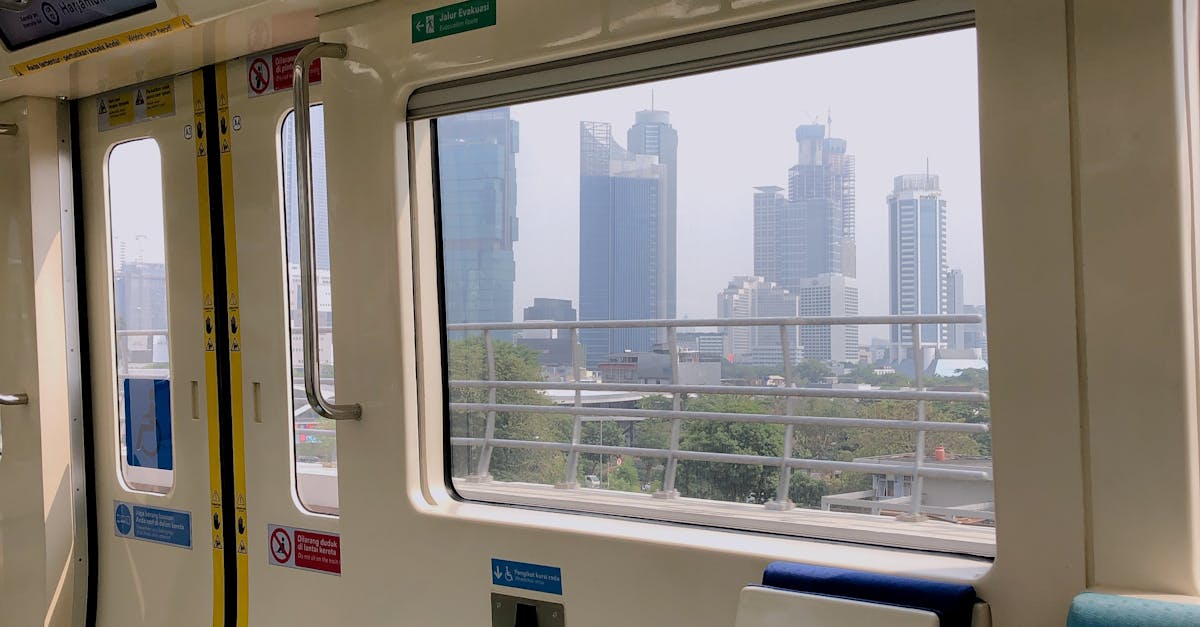
A strategic route to connect key districts of Antananarivo.
The commissioning of the urban rail system is more than just a technological innovation. It represents a genuine strategy to improve traffic flow in a complex region characterized by a congested road network and a constantly growing population. The planned route will extend over approximately 16 km, connecting the Soarano station in the city center to the Ambohimanambola station in the south. This route, designed to serve densely populated areas, includes ten stations where passenger traffic will be concentrated.
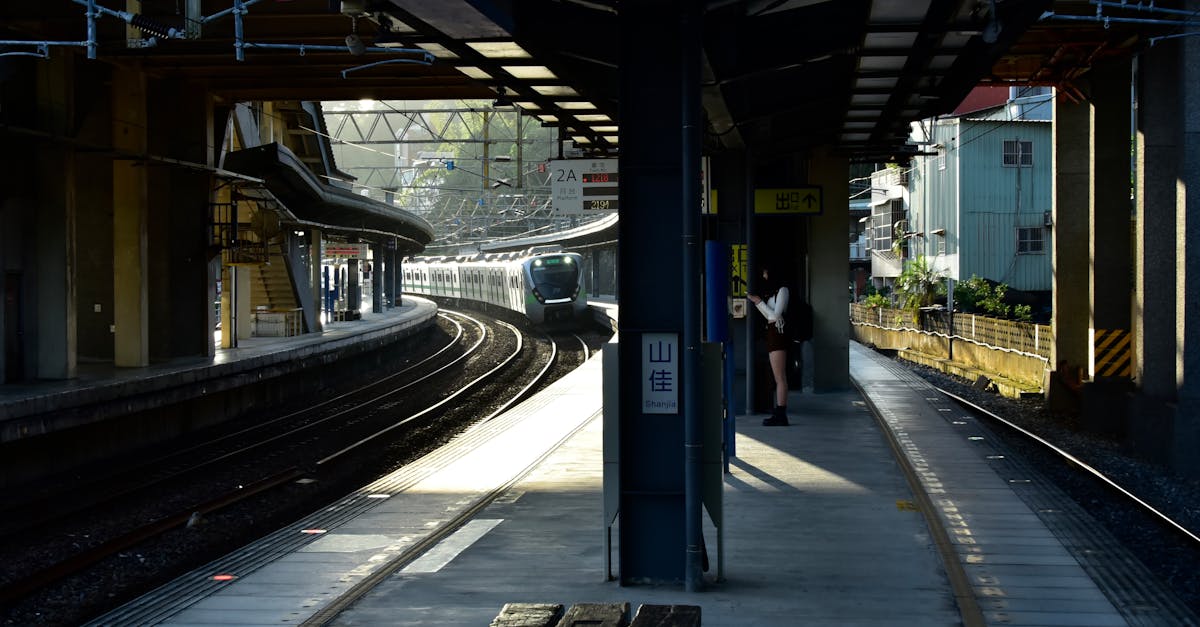
Discover everything about the urban train: an efficient and eco-friendly mode of transport for getting around town. Information, schedules, and benefits.
The goals of the urban train project: to decongest the capital and promote sustainability.
The establishment of this rail network is a crucial step within a comprehensive sustainable development policy. At a time when climate change demands an immediate reduction in greenhouse gas emissions, this urban train must present itself as an environmentally friendly alternative to polluting private vehicles and shared taxis. Indeed, the use of diesel for initial testing, followed, hopefully, by a transition to electric or hybrid propulsion, could significantly reduce the city’s carbon footprint.

Furthermore, this project is part of a strategy to massively alleviate congestion on main roads, contributing at least partially to the fight against noise and air pollution. By promoting rail travel, the Malagasy authorities also hope to encourage the population to rethink their travel habits, while adopting a more responsible approach. The issue of energy, often neglected in developing megacities, is addressed here from a long-term perspective, with the prospect of integrating renewable energy sources in the coming years. Finally, the economic benefits will be tangible: job creation, improved productivity, and revitalization of often marginalized areas.
Discover everything about urban rail: fast travel, efficient services, and sustainable transport solutions for city life. Strategic preparation: staff training and community outreach. Even before the launch, a rigorous staff training program is underway to ensure the efficient and safe operation of the network. All drivers, maintenance personnel, and operational managers have benefited from intensive training sessions over the past several months. Technical expertise is complemented by awareness training on safety, passenger flow management, and rolling stock maintenance, which is now ready to begin its initial operations.
Furthermore, raising awareness among local residents is a crucial aspect of the project’s success. Information campaigns have been launched in the affected neighborhoods, emphasizing the collective benefit of a modern, reliable, and environmentally friendly mobility system. The communication also highlighted the positive impact on traffic reduction, lower travel costs, and improved living conditions in the capital.
| Preparations for the launch have garnered growing public support, although some residents remain skeptical. Logistical and technical challenges for a flawless launch | Despite significant progress, several logistical and technical challenges remain before the official launch of the urban train. The synchronization of the various systems—electrical, signaling, and traffic management—must adhere to a precise schedule. The reliability of the rolling stock, tested on several occasions, must be confirmed by trials under real-world conditions, particularly during the testing phase scheduled for early December. | Furthermore, integrating the new network into the existing urban environment requires close coordination with other transport components, such as the cable car, whose damage during the September 2024 protests complicated matters. Managing passenger flow, storing railcars, maintenance, and ongoing training for service staff remain crucial factors for the initiative’s ultimate success. |
|---|---|---|
| Key Elements | Important Points | |
| Status | Route Length | 16 km connecting Soarano to Ambohimanambola |
| Completed | Train Capacity | 300 passengers per trip |
| Ready to launch | Stations | 10 stations planned, 8 ready for launch |
| Final adjustments | Fare | Around 3,000 ariary |
Under review
Environmental Impact
Emission reduction anticipated
Long-term commitment The political and social stakes linked to the future rail network in Antananarivo The launch of the urban train is not limited to a technical operation. It is deeply embedded in a sensitive political context where each step must be carefully orchestrated to maximize popular support. Tensions between different factions, a fragile economic climate, and institutional crises have often hampered the implementation of major infrastructure projects in the past. Yet, the success of this project could represent a symbol of stability and social progress, strengthening the legitimacy of the public actors responsible for resource mobilization.
In this complex environment, international commitment, particularly through World Bank funding, appears essential to sustaining these efforts. The housing crisis and international migration also underscore the need for a fundamental restructuring of urban mobility to meet new social and economic expectations and ensure balanced growth.
Future Prospects: A Rail Network Serving Sustainable Development
The launch of the urban rail network in Antananarivo marks the beginning of a new era for national urban development and the impetus of the ecological transition. The network, already well underway, could eventually be extended to cover other strategic areas of the city and then other regions of the country.
Investments in this rail infrastructure demonstrate a clear commitment to making Madagascar a responsible player in sustainable development, within a framework of regional integration. Modernizing the equipment, combined with responsible management, is an essential step for this train to become a model for the region.
The authorities are committed to continuing their efforts to expand and modernize this network, envisioning a Madagascar where urban mobility is synonymous with equity, sustainability, and economic growth. Complementarity with other modes of transport, such as the cable car, even in its current state of disrepair, remains a key concern for greater coherence in the future mobility plan.
Frequently Asked Questions about the launch of the urban train in Antananarivo
When exactly will the urban train be operational?
The official launch of urban train operations is scheduled for December 15, 2025, following a full-scale testing phase in December.
What is the main benefit of this project for Antananarivo?
This rail network aims to alleviate congestion in the capital, improve urban mobility, reduce air pollution, while offering a modern and economical alternative to public transportation.
🔗 Sources & références
Pour aller plus loin, consultez les sources citées dans cet article :
Découvrez notre guide complet — destinations, budget, visa, faune et conseils pratiques pour préparer votre voyage.

📖 Vous aimerez aussi

Transition à Madagascar : la société civile et la Génération Z face aux doutes sur le « Programme de la Refondation »
3 March 2026
Fermeture de l’aéroport de Dubaï : chaos et désarroi chez les voyageurs bloqués
2 March 2026