Tropical Storm EWETSE: A Major Weather Phenomenon Threatening Southern Madagascar
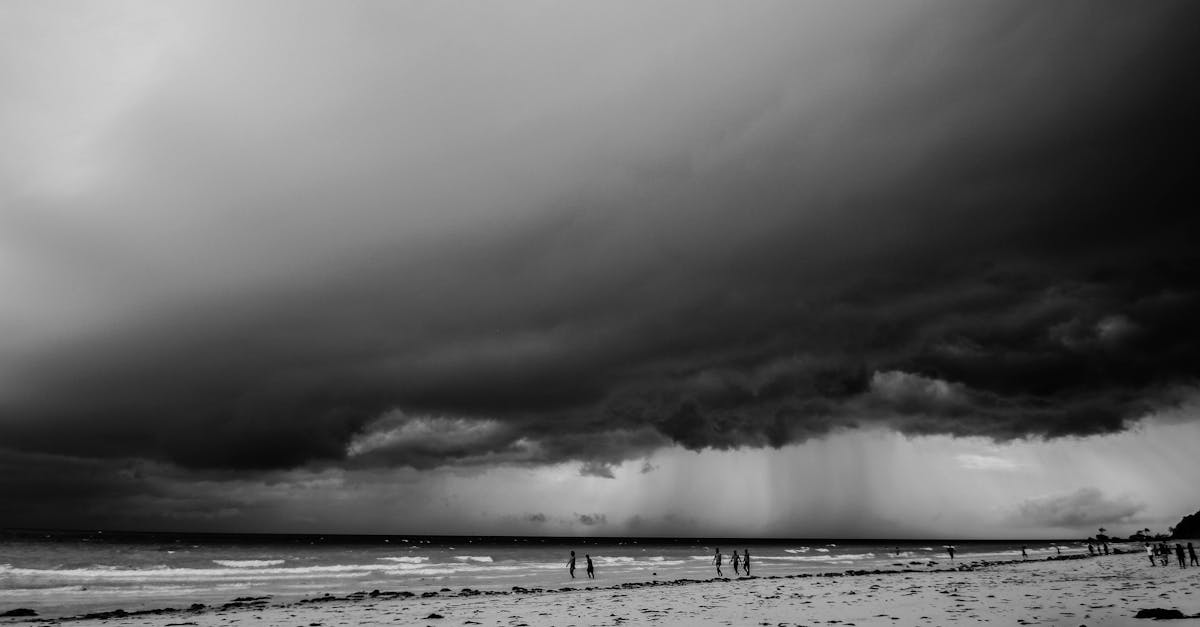
The January 2026 weather patterns have thrust Madagascar into the spotlight with the imminent threat of a moderate tropical storm named EWETSE. Positioned in the Mozambique Channel, this atmospheric disturbance is causing deep concern among local authorities, vulnerable populations, and meteorological services. The configuration of this system, whose trajectory appears to be heading directly towards the island’s southwest coast, presents a scenario requiring immediate and unprecedented mobilization. With an initial intensity remaining at the moderate tropical storm stage, EWETSE remains a real but manageable threat, according to meteorological projections.
This weather phenomenon, defined by its wind speeds that could reach 100 km/h, raises concerns about its devastating effects on infrastructure, agriculture, and human security in a region already weakened by resource scarcity and climate change. The storm’s center, located about 40 kilometers from the coast, indicates rapid movement towards land, with the possibility of intensification or weakening depending on atmospheric conditions. The situation is all the more critical as several districts, notably Ampanihy and Beloha, have been placed on red alert, requiring heightened vigilance and immediate preparation.
Faced with this situation, the deployment of emergency resources becomes essential to prevent loss of life and property. Communication between authorities, humanitarian organizations, and the population must be strengthened to ensure an effective response. Managing this storm in real time requires optimal coordination, taking into account both the preservation of lives and the minimization of environmental damage. The region’s susceptibility to potential flooding and landslides must also be anticipated, based on meteorological data forecasting heavy rainfall accompanying the cyclone.
Discover Ewetse Storm, the ultimate experience combining power and performance to face any storm in style.
Dirges on red alert: a national mobilization to confront Ewetse
The Malagasy authorities responded swiftly by declaring a red alert in the districts of Ampanihy and Beloha, considered particularly vulnerable to the direct impacts of Storm Ewetse. Among these areas, certain sectors such as Toliara I and II, Betioky Atsimo, and Tsihombe have been placed on yellow alert, indicating heightened vigilance without an immediate threat. The speed of this reaction reflects a collective awareness of the urgency of a weather event that could worsen if no mitigation measures are implemented. Evacuation planning, securing critical infrastructure, and establishing an operational coordination center are now top priorities.
The Potential Impacts of Storm Ewetse on the Economy and Daily Life in Madagascar
| The threat posed by Ewetse is not limited to its immediate effects; it also raises economic and social concerns. The southern region of Madagascar, particularly vulnerable, is an area where agriculture is the main economic activity. The degradation of crops, especially vanilla (a precious resource for the country) and food crops, could have serious repercussions for food security and farmers’ incomes. For example, a storm of this intensity could cause considerable harvest losses, with a direct impact on the international market and local economic stability. Furthermore, already fragile infrastructure such as roads, bridges, and power grids is at risk of severe damage, further complicating relief efforts and the resumption of daily activities. | This context exacerbates the situation of a population facing major socio-economic challenges: precarious living conditions, difficult evictions, and reduced access to healthcare and education. Managing this crisis must include rapid recovery measures, but also adapt development to increased resilience against future weather hazards. The implementation of prevention and mitigation strategies must be part of a long-term vision, involving all stakeholders, particularly by strengthening weather forecasting capacity and raising awareness among vulnerable populations. | |
|---|---|---|
| Parameter | Description | Potential Effect |
| Wind Speed | Up to 100 km/h | Partial or total destruction of homes and agricultural structures 🌾 |
| Forecast Rainfall | More than 200 mm in 24 hours | Floods, landslides, and road network damage 🚧 |
| Trajectory | Eco-centric to the Tuléar region | Direct impact on several priority districts 👥 |
Power outages, agricultural losses, infrastructure damage
Possible local recession if the situation persists
Discover the exclusive ewetse storm collection, combining modern style and exceptional performance to face all conditions with elegance.
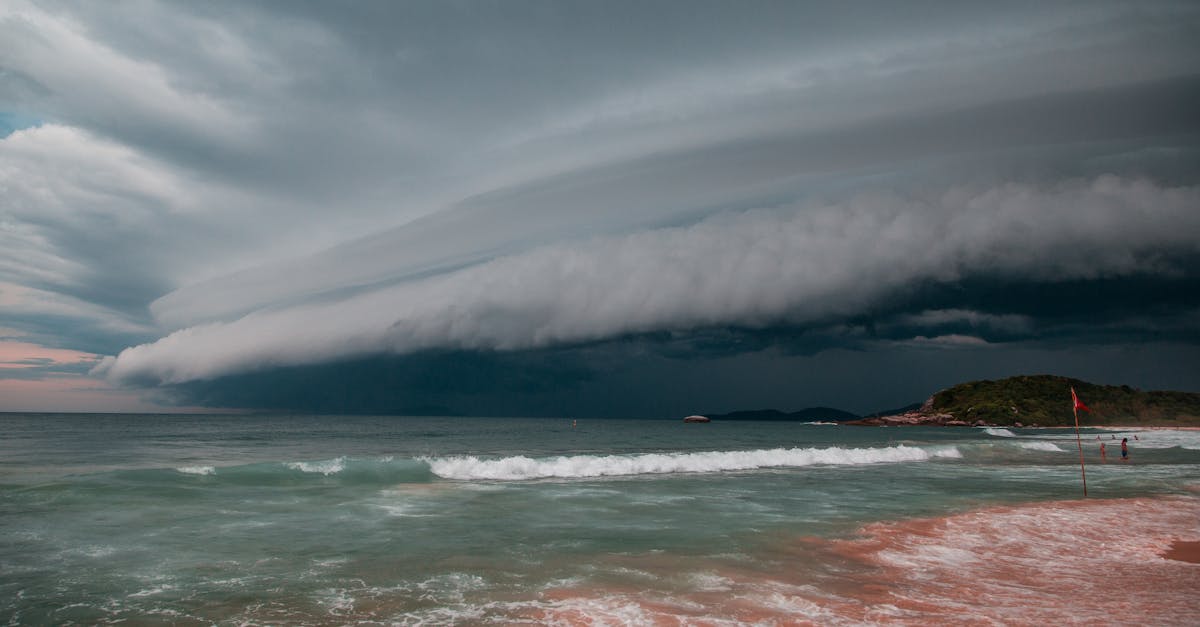
In the face of an emergency, preparedness is the first step to minimizing potential damage. The priority is to strengthen community resilience, particularly in high-risk areas, through awareness campaigns and crisis management training. Simulated evacuation drills have been conducted in several districts to test the effectiveness of existing systems. Furthermore, securing sensitive areas such as health centers, schools, and temporary shelters is essential to prevent unnecessary loss of life. The implementation of an early warning system, including sirens, SMS notifications, and the involvement of local media, allows for immediate communication in the event of a changing situation.
Coordination efforts among local, national, and international actors are being strengthened to ensure an efficient response. Community participation is also crucial: it is essential to educate and encourage everyone to adopt preventative measures, such as stockpiling food, avoiding flood-prone areas, and moving to safe centers in case of an emergency. The mobilization of resources, particularly emergency supplies, fuel, and medicine, must also be anticipated. Madagascar’s resilience in the face of this storm depends on the effectiveness of prevention strategies and the ability to act quickly at the first signs of worsening conditions.
Ewetse Storm: Discover the latest trends and news surrounding Storm Ewetse, its impacts, and advice on how to prepare.
The 2026 climate scenario starkly illustrates the need for the international community to develop appropriate support strategies in the face of natural disasters. The southern region of Madagascar, due to its vulnerability, already receives increased attention, but the escalating challenges necessitate strengthened cooperation. Institutions such as the WMO and the United Nations Development Programme (UNDP) are actively involved in formulating contingency plans, and especially in transferring expertise for more effective local management. International solidarity can also take the form of the rapid deployment of relief supplies, specialized teams, or emergency funds to finance post-storm recovery.
Sustainable solutions must aim to integrate the fight against climate change into resilient development strategies. Building resilient infrastructure, economic diversification, natural resource conservation, and community awareness are all key steps in reducing the vulnerability of at-risk areas. Global dialogue must broaden to include the obligation to support Madagascar in its efforts to overcome cyclone crises, while integrating these actions into a sustainable development framework. Integrated risk management is becoming a priority to guarantee the safety of populations and protect the environment in the face of increasing extreme weather events.
https://www.youtube.com/watch?v=9vNEHdZdbA8 Rules for ensuring safety in the face of a cyclone threat like EWETSETo effectively deal with a storm like EWETSE, adopting strict rules and rigorously enforcing them will prove crucial. The first rule is to follow evacuation and safety instructions. Communication must be clear and regular, avoiding misinformation that could exacerbate panic. All interventions must follow a pre-established plan focused on speed and coordination. Regarding safety, it is advisable to prioritize secure shelters, stockpile food, and ensure continuous access to drinking water.
The role of local media is crucial in disseminating instructions and reassuring the population. Awareness campaigns must also address appropriate behaviors before, during, and after the storm. For example, it is essential to avoid traveling in flooded or vulnerable areas. Weather monitoring should become a habit, with regular consultation of official bulletins and alerts issued by the Malagasy meteorological services. International cooperation, through logistical and technical assistance, remains an additional tool for ensuring safety during these critical times. Logistical and Humanitarian Challenges in Managing EWETSE in Madagascar
One of the main obstacles lies in logistics. Difficult access to certain isolated areas, exacerbated by damaged road infrastructure, presents a major challenge. Coordinating relief efforts and distributing food, medicine, and essential supplies requires advanced organization, often limited by available resources. Providing care for vulnerable individuals, such as the elderly or the sick, must be done with particular care, avoiding any chaos or delays.
From a humanitarian perspective, the need to rapidly mobilize qualified teams is essential to provide assistance on the ground. Overcrowding in shelters during evacuations, the management of supplies, and the safety of aid workers sometimes weaken the humanitarian response. Cooperation with local and international partners must be strengthened to ensure effective management. The situation also necessitates in-depth consideration of prevention, the construction of resilient shelters, and long-term public awareness campaigns to limit vulnerability to future extreme weather events.
What immediate measures should be taken in the face of the arrival of EWETSE?
Authorities recommend following evacuation orders, heeding alerts, securing belongings, and preparing for a possible evacuation to safe centers.
How can the population protect itself during a storm?
It is advisable to stay indoors, away from windows, to stock up on food and water, and to avoid traveling in flood-prone or landslide-prone areas.
What are the main risks associated with a tropical storm in Madagascar?
The main risks include flooding, landslides, infrastructure damage, and disruptions to communication and electricity networks.
How does the government collaborate with international partners?
Strengthened coordination with humanitarian agencies, NGOs, and development institutions enables a concerted and effective response to the cyclone threat.
What eco-friendly practices should be encouraged?
Sustainable resource management, reducing plastic waste, and forest conservation play a role in building resilience to extreme weather events.
🔗 Sources & références
Pour aller plus loin, consultez les sources citées dans cet article :
Découvrez notre guide complet — destinations, budget, visa, faune et conseils pratiques pour préparer votre voyage.

📖 Vous aimerez aussi

Transition à Madagascar : la société civile et la Génération Z face aux doutes sur le « Programme de la Refondation »
3 March 2026
Fermeture de l’aéroport de Dubaï : chaos et désarroi chez les voyageurs bloqués
2 March 2026