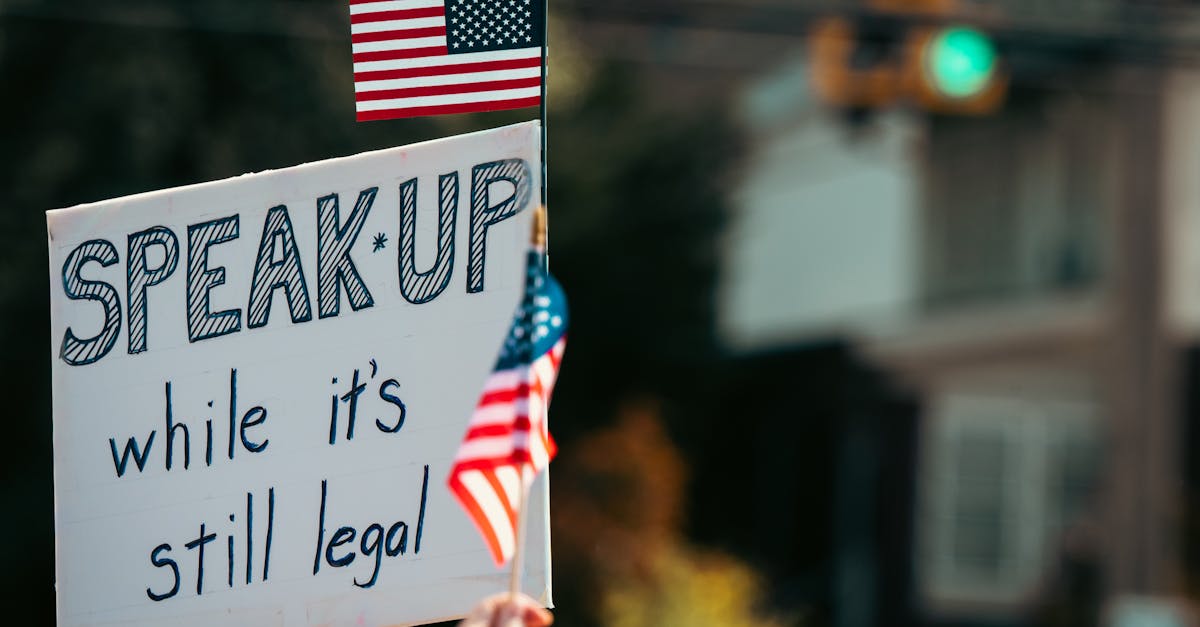
In the midst of a regional context marked by growing instability, solidarity and collective mobilization have taken an unexpected turn in the village of Alasora, Madagascar. The precarious situation of the local police, facing multiple challenges related to insufficient resources and limited security coverage, has sparked an unprecedented wave of support from various communities and civil society actors. In 2026, as Madagascar experiences a period of social and political turmoil exacerbated by protests and social demands, a solidarity movement has emerged to strengthen the local police force’s capacity to maintain peace and security. Many Malagasy people, as well as international partners, are committed to providing concrete assistance, demonstrating a collective commitment to building a model of mutual aid and community protection. This mobilization, centered on material donations and moral support, underscores a broader, firm determination to preserve local stability in the face of a social crisis that, if not quickly contained, could worsen the humanitarian situation in the region. Solidarity among citizens, coupled with national awareness, thus becomes a key lever for overcoming these challenges, fostering an environment where security is no longer solely the responsibility of the state, but a shared cause embraced by all.
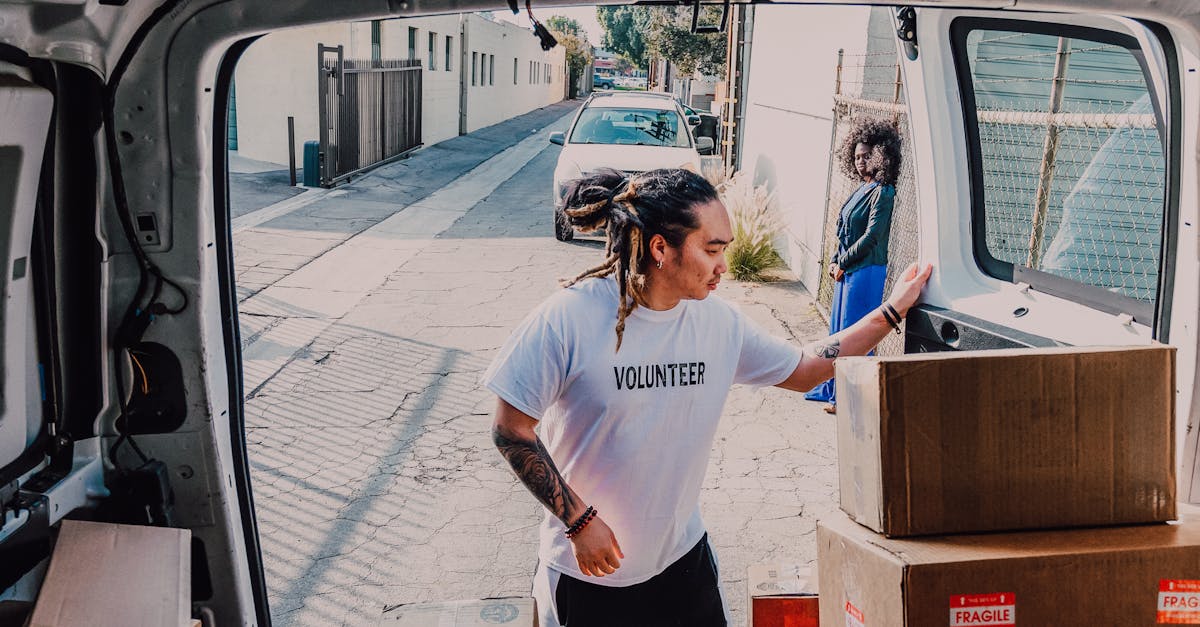
Discover the importance of community support in strengthening ties, sharing resources, and promoting a supportive and collaborative environment.
The regional context: origins and challenges of mobilization around local police in Madagascar
The security situation in Madagascar has been increasingly fragile for several years, exacerbated by socio-political conflicts and chronic economic problems. By 2026, several regions, particularly around the capital Antananarivo, are experiencing growing instability that undermines the authority of public institutions. Within this crisis, local police forces often find themselves on the front lines, facing an urgent need to recalibrate their resources and missions.

Faced with this situation, Malagasy civil society and NGOs have begun to play a supporting role, developing mutual aid strategies to strengthen local security. This dynamic of popular mobilization indicates a growing collective awareness, where every actor, from the citizen to the governor, feels invested in protection. In this context, volunteering and solidarity prove essential to address the structural deficit in public security, a prerequisite for building a more stable future.
Community support: a space dedicated to mutual aid, sharing experiences, and providing support within our community.
The concrete forms of support provided by the Malagasy community and its international partners.
Collective support takes many forms, ranging from material donations to citizen initiatives and awareness campaigns. Among these, providing police equipment is essential. In 2026, associations and international actors such as France and the international community launched support campaigns to provide equipment and strengthen security in Malagasy villages. Examples abound: donations of uniforms, vehicles, communication equipment, and surveillance devices. Recently, former police officer Jean-Michel Weiss, head of the municipal police in La Grande-Motte, collected uniforms for the Malagasy police during his tour of the Gard and Hérault regions. This gesture symbolizes inter-municipal solidarity, aiming to address local shortages while strengthening the sense of belonging and responsibility.

Community support: a space dedicated to mutual aid and exchange among members to collectively address your challenges.
Citizen initiatives: concrete actions to strengthen security in Malagasy villages.
In a context where security is becoming a shared priority, several citizen and community initiatives have emerged to support local police in their duties. These projects, often led by young people or families, actively contribute to the fight against insecurity and the rebuilding of a weakened social fabric.
In Madagascar, particularly in outlying neighborhoods, volunteer groups are mobilizing to provide community watch, organize neighborhood patrols, and raise awareness among residents about security issues.
One of these notable initiatives involves the creation of citizen security committees, which work closely with the local police. Their role is both educational and preventative, helping to defuse tensions and establish a relationship of trust between law enforcement and citizens.
Furthermore, schools and educational institutions are promoting programs that raise awareness of citizenship and collective responsibility. These concrete and sustainable actions are part of a strategy of social cohesion and prevention, which are essential to avoid a resurgence of violence and ensure effective protection for every resident. International support and diplomatic actions for the stability of Madagascar in 2026
The role of the international community in the stabilization of Madagascar is proving to be a key element in the dynamics of support for the local police. In 2026, several countries and organizations strengthened their commitment by offering strategic, financial, and logistical support. France, for example, is increasing its initiatives in training, skills transfer, and the provision of equipment, as evidenced by the campaign led by Jean-Michel Weiss, who, by collecting equipment for the Malagasy police, is helping to strengthen their operational capacity.
| Diplomatic missions and NGOs are also working to broaden the dialogue between the Malagasy government and international partners. The objective is to foster a genuine dynamic of partnership in crisis management, particularly in support of the local police. Multilateral cooperation, notably through aid programs developed by the European Union or institutions such as the UN, aims to establish stronger governance and ensure the sustainability of security efforts. | In this context, it is essential to establish a sustainable support model, combining local mobilization and external support, to prevent the crisis from giving way to chronic instability. Madagascar’s stability requires coordinated mobilization, demonstrating genuine international solidarity focused on security and lasting peace in the region. | |
|---|---|---|
| A summary table: challenges and solutions for Madagascar’s security in 2026 | Major challenges | |
| Proposed solutions | Expected effects | Persistent security crisis 🚓 |
| Strengthening police resources and specialized training | Reducing violence and restoring public trust | Lack of appropriate equipment 🔧 |
| Material donations and partnerships with international partners | Concrete improvement of police intervention capacity | Social Crisis and Mistrust 💔 |
Awareness Campaigns and Community Initiatives
Regaining Legitimacy and Renewed Social Cohesion
Insufficient International Support 🤝
Strengthening Diplomatic and Bilateral Cooperation
Maintaining and developing this citizen solidarity is crucial for Madagascar’s future. The country’s stability largely depends on the ability to unite local and international forces in support of a strengthened and well-balanced police force.
It is imperative to integrate this dynamic into a long-term strategy, incorporating ongoing training, consistent material support, and enhanced dialogue between civil society and the authorities. The growth of this mutual support could also raise broader awareness of the importance of sustainable investment in security, a determining factor for the country’s social and economic development.
Ultimately, this unprecedented mobilization demonstrates that with collective will, even the most complex challenges can be addressed. The case of Madagascar could then become a showcase for other nations facing similar crises, illustrating that solidarity, cooperation, and local engagement are essential levers for building a peaceful future.
https://www.youtube.com/watch?v=eUprnKu01ng
What is the main motivation behind the mobilization in support of local police in Madagascar?
The primary motivation lies in the desire to strengthen security, restore social stability, and ensure the protection of all in the face of a crisis that is weakening national cohesion. How do material donations contribute to security in Malagasy villages?
🔗 Sources & références
Pour aller plus loin, consultez les sources citées dans cet article :
Découvrez notre guide complet — destinations, budget, visa, faune et conseils pratiques pour préparer votre voyage.

📖 Vous aimerez aussi
Transition à Madagascar : la société civile et la Génération Z face aux doutes sur le « Programme de la Refondation »
3 March 2026
Fermeture de l’aéroport de Dubaï : chaos et désarroi chez les voyageurs bloqués
2 March 2026