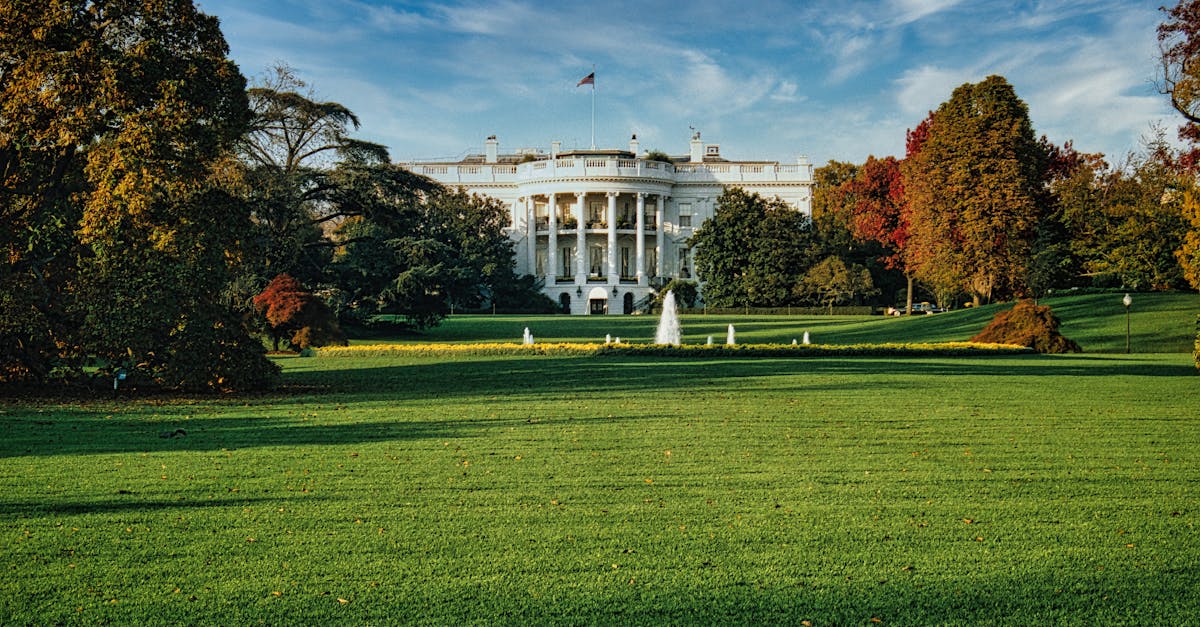
In a global context marked by political, economic, and social instability, the year 2026 alone illustrates the growing complexity of the uncontrolled crises that are shaking modern societies. Against a backdrop of multifaceted crises, political scandals, and resignations as surprising as they are unjustified, this year reveals a worrying trend: that of a latent chaos that threatens the stability of several nations. Whether through the resignations of high-ranking officials based on blatant inconsistencies, suspicious trips in the midst of a crisis, or questionable appointments, the tendency to spiral out of control is clearly becoming a metaphor for a system losing its grip. Crises erupt like lightning, often without warning, but with far-reaching repercussions: an elite that seems hopelessly disconnected, a population that questions authority, and instability that seeps into all levels of governance.

Discover the concept of chaos, its impact on nature, science, and philosophy, and how it influences our understanding of the world.
Uncontrolled Outbursts: A Reflection of a Climate of Permanent Crisis
To be fully understood, uncontrolled outbursts must be situated at the intersection of a context of permanent crisis affecting both political and social spheres. They often embody this progressive loss of control that culminates in moments of palpable chaos, a spiral that rapidly veers off the course initially set by those in charge. These incidents, whether political, economic, or institutional, testify to an environment dominated by uncertainty and fragility, fueling a widespread sense of insecurity.

Discover the concept of chaos, its impact in different areas, and how it influences our perception of disorder and uncertainty.
A deep dive into the origins of these crises: what mechanisms are at play?
Understanding the origins of uncontrolled crises requires analyzing the psychological, social, and institutional mechanisms that fuel them. Most of these crises stem from structural fragility, exacerbated by a loss of emotional or political control. In psychology, the term “going off the rails” often evokes this reaction where an individual, or a group, “loses their head” in the face of a situation perceived as insurmountable. The tendency to give in to anger or panic, for example, can quickly transform tension into a collective catastrophe.
It should also be noted that some crises are intentionally orchestrated by malicious actors seeking to destabilize a system for their own interests. The manipulation of social media, the spread of fake news, and the use of disinformation strategies are often the source of rapid and difficult-to-control breakdowns.
Discover the concept of chaos, its impact in different fields, and how it influences our understanding of disorder and complexity.
Institutional failures and their role in the spiral of chaos.
Uncontrolled excesses often occur within a context of weakened or failing institutions, exacerbating the descent into instability. A state’s resilience depends directly on the strength of its institutions. When these institutions are corrupt, opaque, or ineffective, even the slightest crisis becomes an opportunity for certain actors to overstep their bounds and escalate into a major crisis. The loss of control in crisis management thus becomes a structural trend, fueled by a sense of impunity and faltering legitimacy. The recent saga of the High Constitutional Court, where members claimed they had never resigned while the government accelerated their replacement, reveals the extent to which institutional credibility can be undermined.
This context contributes to what some analysts describe as a “crisis of confidence,” a situation in which the population doubts the ability of its representatives to act in the public interest. The weakness of the rule of law, coupled with the absence of robust mechanisms to manage these abuses, creates fertile ground for erratic or deliberately destabilizing behavior.
The role of political actors and clans in the spiral of chaos
When governance is captured by clans or interest groups, crisis management often becomes a spectacle of controlled or uncontrolled excesses. Some political actors, driven by a logic of survival or domination, favor strategies of avoidance or manipulation to preserve their positions, often at the expense of the collective interest. The appointment of questionable figures, such as Alban “Bàbà” Rakotoarisoa, illustrates this trend, where competence and transparency give way to strategies of clientelism or favoritism.
This favoritism, coupled with a culture of disconnection, creates a chaotic mix of behaviors that fuel a loss of control, particularly in the face of political or economic crises. The visible presence of certain figures in contexts marked by suspicion, such as the express trip to Dubai or the release of convicted individuals, only amplifies the feeling of a system operating in reverse. Modern-day clans now control a portion of power and establish a vicious cycle where abuses become the rule rather than the exception. The immediate consequence is a further weakening of democratic processes, leading to a gradual loss of legitimacy and an acceleration of chaos.
The disastrous consequences of these abuses: a society in flames. These uncontrolled abuses are not confined to rhetoric or institutional spheres; they are embedded in a tangible reality where society suffers from violence, injustice, and marginalization. The spiral of destabilization leads to increased social tensions, fueling a vicious cycle of violence and heightened demands. The gap between the democratic ideal and the reality created by these excesses plunges a large part of the population into profound disillusionment.
Examples abound: demonstrations that turn violent, escalating police brutality, and a growing distrust of judicial institutions. This loss of faith in the state and judicial systems is accompanied by a decline in social cohesion, which can quickly lead to fragmentation. Society then becomes fertile ground for disillusionment, populism, and sometimes identity politics.
Ultimately, each misstep amplifies the general chaos, making the way out of the crisis increasingly difficult. A country’s stability cannot be decreed, but is patiently built, with strong institutions, respect for the rule of law, and a sincere commitment to transparency and justice.
Towards effective prevention: how to avoid the spiral of chaos?
Faced with this grim reality, the crucial question remains: how can we prevent everything from spiraling out of control? The answer lies in collective mobilization, a profound reform of governance mechanisms, and increased vigilance regarding respect for fundamental principles. Prevention must be part of a comprehensive strategy combining transparency, oversight, and accountability of political actors. Establishing effective mechanisms to monitor and punish misconduct is an essential step.
It is also imperative to strengthen the capacity of institutions to respond quickly and effectively to any crisis. Civil society, the media, and the judiciary must play an active role in detecting and denouncing deviant behavior. Citizen empowerment and engagement in the democratic process are also crucial for building a culture of integrity and mutual respect.
Best practices for dealing with a crisis of uncontrolled excesses
When a crisis erupts, the speed and consistency of the response determine the ability to restore stability. Adopting a proactive approach based on transparency and clear communication is essential. The first step is to thoroughly analyze the situation to develop appropriate solutions, without succumbing to panic or emotion.
Authorities must also prioritize dialogue with all stakeholders. Establishing a crisis committee, including experts, representatives of civil society, and institutional leaders, often proves effective for coherent management.
It is also important to limit the impact of any missteps by strengthening legislation, penalizing erratic behavior, and holding those in power accountable. Prevention involves increased oversight, enhanced ethics, and the ability to foster a climate of trust, even in the face of adversity. Implementing modern tools, such as data analytics and social media engagement, can help anticipate and contain these crises before they spiral out of control. Ultimately, in the face of rising chaos, collective resilience rests on clear-sighted management, social cohesion, and a firm commitment to preserving democracy, even in its most difficult moments.
https://www.youtube.com/watch?v=_JdcqV2eI7Y
How do we define an uncontrolled slippage in a political context?
Découvrez notre guide complet — destinations, budget, visa, faune et conseils pratiques pour préparer votre voyage.

📖 Vous aimerez aussi

Transition à Madagascar : la société civile et la Génération Z face aux doutes sur le « Programme de la Refondation »
3 March 2026
Fermeture de l’aéroport de Dubaï : chaos et désarroi chez les voyageurs bloqués
2 March 2026