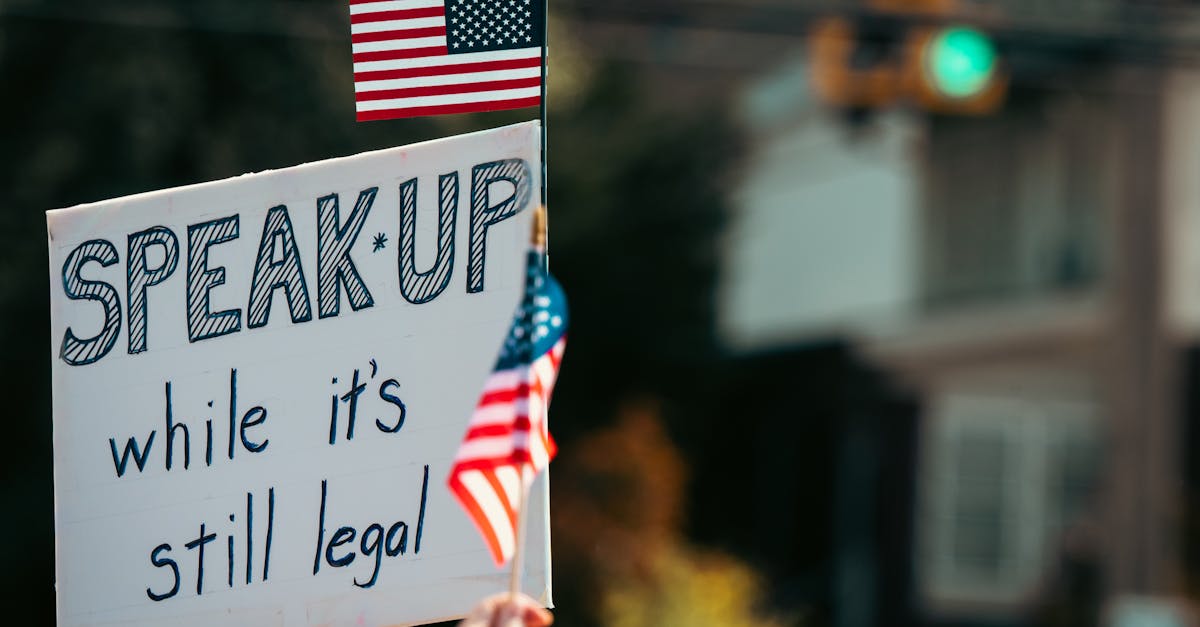
This week was marked by a series of tumultuous and profoundly significant events that underscore the fragility of social and political dynamics worldwide. Between popular demonstrations, moving tributes to an iconic figure, and profound changes in the governance of certain states, September 2026 appears as a catalyst for collective awakening. The mobilization against the monarchy during the ‘No to Kings’ protests mobilized thousands of individuals, expressing a fervent rejection of authoritarianism and a growing desire for democratic emancipation. At the same time, tributes to Odinga, an emblematic figure of resistance and the fight for justice, drew passionate crowds, highlighting the importance of acknowledging historical legacy in building a harmonious political future. Meanwhile, in Madagascar, the political spring gave way to a major upheaval, illustrating the complexity of a democratic transition in a context of crisis. These events embody the delicate struggle between tradition and innovation, authoritarianism and democracy, in a society enriched by its diversity and its aspirations for peace. The protests, revolts, and collective gatherings reinforce the idea that, at the beginning of the 21st century, civic consciousness continues to grow, demanding lasting solutions, particularly in the face of the abuses and injustices that fuel numerous movements within a context of systemic crisis.
‘No to Kings’ Demonstrations: A Massive Rejection of Monarchical Authoritarianism
https://www.youtube.com/watch?v=NTR_ji8aEvk A tribute to Odinga: an emblematic figure in the fight for justice
The gatherings in tribute to Odinga marked a significant milestone in collective memory, illustrating the central role of symbols of resistance in the construction of a political identity. Odinga, considered a founding father of democracy, left an immense legacy, forging a common thread between generations. During these tributes, voices rose to emphasize his selfless commitment and his determination to bring about societal change while respecting fundamental rights. These moments of collective emotion are not limited to commemoration, but also serve as a call for continuity and vigilance in the face of future political challenges. The international awareness surrounding his actions has fostered growing solidarity, strengthening the legitimacy of his ideas in the face of authoritarian regimes. Odinga’s memory now transcends national boundaries to become a universal symbol of resistance and social justice, a model to follow for those seeking to overcome oppression and build more equitable societies. Political upheaval in Madagascar: between crisis and opportunity
The political upheavals in Madagascar represent a pivotal moment in the island’s recent history, marked by an unexpected change of power. The conflict, fueled by a persistent economic and social crisis, has resulted in a new configuration of local governance, with significant implications for regional stability. The current situation reveals an attempted transition which, while perceived as an opportunity for reform, also highlights the complexity of a context where divergent interests are fueling tension. The figure of the ousted president and the rise of new leaders embody this transitional phase, which must be conducted in an inclusive manner. Among the key challenges, democratic legitimacy and the ability to unite all stakeholders will be crucial to preventing a cycle of violence and establishing a climate of dialogue. The international community continues to closely monitor these developments, believing that genuine change could emerge if Malagasy political forces manage to overcome their divisions.
Protests and the crisis in the global context of 2026: an in-depth analysis
This week’s mass protests are not an isolated phenomenon, but rather a reflection of a global unease linked to several converging factors. The proliferation of social movements in various regions of the world testifies to a climate of dissatisfaction with economic, social, and environmental policies. The climate crisis, combined with often failing governance, fuels a sense of urgency, prompting populations to demand radical changes. The economic crisis, exacerbated by recurring financial crises, is widening a deep social divide, where injustice becomes the primary driver of protests. These protests, often highly organized and amplified by social media, seek to disrupt the status quo and amplify a strong citizen voice. It is clear that international solidarity is intensifying in the face of these challenges, particularly those concerning climate justice and responsible governance. The increased monitoring of these movements by authorities also demonstrates the need for constructive dialogue to prevent tensions from escalating into open conflict.
| Key Factors | Impacts | |
|---|---|---|
| Recommendations | 💥 Economic Crisis | ✊ Increased Popular Mobilization |
| 📝 Strengthen Social and Economic Dialogue | 🔥 Climate Change | 🌍 Strengthen Environmental Movements |
| 🌱 Implement Sustainable Policies | 💣 Flawed Governance | ⚠️ Crisis of Legitimacy |
🤝 Establish Transparent Governance
What are the major issues at stake in the ‘No to Kings’ protests in 2026?
These protests embody a massive rejection of authoritarian regimes, calling for profound reforms to establish a true and effective democracy. They highlight the need to reconcile tradition and modernity in governance.
How do tributes to Odinga influence the struggle for social justice?
Tributes revive collective memory, reinforcing the legitimacy of the struggles for justice and democracy. They serve as a catalyst for renewed commitment to contemporary challenges.
What impact could the political upheaval in Madagascar have on the region?
This change could pave the way for gradual stabilization, while also raising questions about national unity and participatory governance, potentially providing a model for political transition in the region.
What are the global challenges linked to the 2026 protests? Social movements related to the climate crisis, economic injustice, and failing governance demonstrate that crisis management must be addressed in an integrated manner, uniting local and international efforts.
🔗 Sources & références
Pour aller plus loin, consultez les sources citées dans cet article :
Découvrez notre guide complet — destinations, budget, visa, faune et conseils pratiques pour préparer votre voyage.

📖 Vous aimerez aussi

Transition à Madagascar : la société civile et la Génération Z face aux doutes sur le « Programme de la Refondation »
3 March 2026
Fermeture de l’aéroport de Dubaï : chaos et désarroi chez les voyageurs bloqués
2 March 2026