
A Major Transformation in the Crab Sector: End of the Monopoly and Opening to a Dynamic International Market
In 2026, the crab export sector, an iconic Malagasy fishery resource, is undergoing a profound transformation as part of a modernization and rigorous regulatory process. The end of the historical monopoly on mangrove crab exports opens a new era for a sector that was previously fragmented and often characterized by opaque, even corrupt, practices. The Malagasy government, in a bold move, is now striving to strengthen transparency, improve governance, and increase the competitiveness of this sector on the international market.
This change is not merely an administrative or economic evolution: it is part of a comprehensive strategy aimed at securing a strategically vital natural resource, encouraging a more balanced integration of local actors into global trade, and fostering innovation in quota and export management. The new regulation, which is based on a transparent and inclusive approval system, should facilitate access to a rapidly expanding market where demand for live or chunky crab continues to grow, particularly in Asia and Europe.
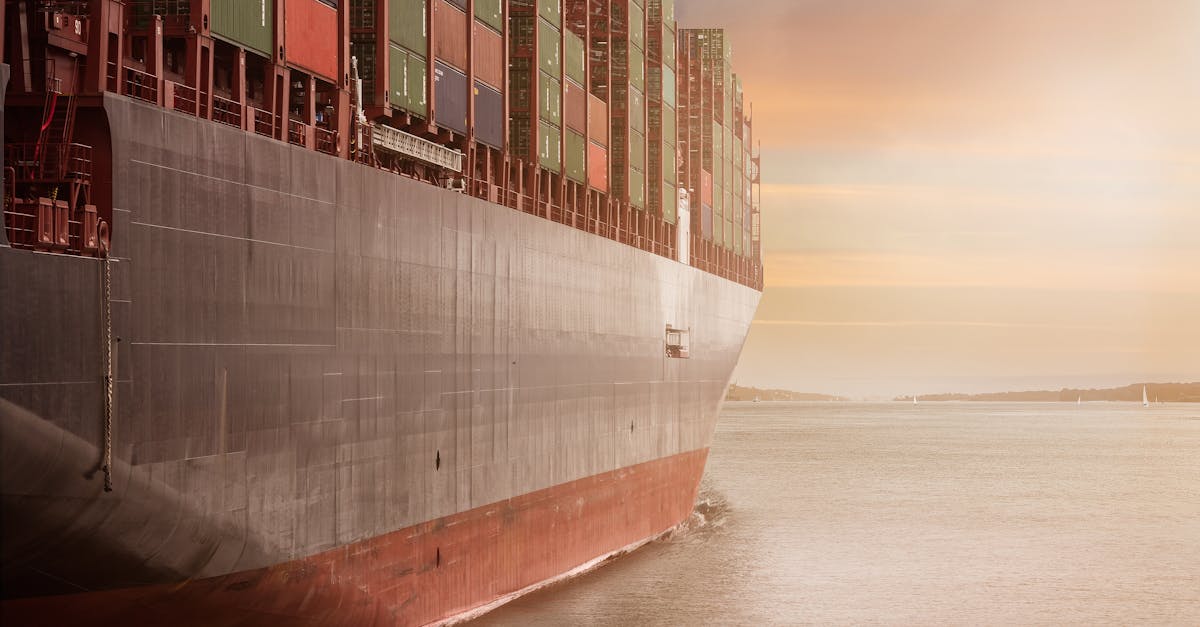
Discover our fresh, high-quality crab export service, guaranteeing a reliable supply for your international seafood needs.
The implications of ending the monopoly for governance and competitiveness in the sector
The entrenchment of the traditional monopoly on crab exports, which for a long time resulted in a concentration of activity among a few operators, led to stagnation in the sector, fueled risks of corruption, and limited the participation of new entrants. The new regulations, announced by the Ministry of Fisheries and the Blue Economy, create a framework that allows for diversification and healthy competition, essential factors for meeting the demands of the international market.

By promoting better governance, this approach will also stimulate innovation in the sector and attract more long-term investment. Beyond simply increasing volumes, the aim is to establish a model that values quality, traceability, and sustainability, in line with international regulations. The resulting enhanced credibility is likely to open new avenues for exports, particularly to demanding markets where traceability and compliance with environmental standards are becoming non-negotiable criteria.
Discover our fresh, high-quality crab export services, guaranteeing fast delivery that meets international standards.
- The quota allocation process: a model of transparency and fairness.
- The implementation of an exemplary export quota allocation process, involving participatory designation and evaluation, marks a decisive step in the transparent management of the sector. Thirteen companies already present on the market received a combined volume of 938 tonnes this year for the export of frozen crab pieces, representing the majority of the total set at 1,340 tonnes. Among these, eight companies were selected to export live crab, with a quota of 908 tonnes out of 1,300 tonnes available.
- The authorities emphasize that this redistribution encourages the emergence of new players, with 30% of the quotas reserved for young entrepreneurs or those who strictly adhere to regulations. The structuring of supply and the stability of volumes also allow for adjusting supply to the growing demands of the global market, while limiting the overexploitation of natural resources. This approach is part of a broader perspective of balancing economic development, environmental protection, and social justice.
- This management approach should also encourage the adoption of innovative practices, such as the use of traceability technologies and product certification, enabling Madagascar to strengthen its credibility and competitiveness vis-à-vis other global producers. Increased transparency in quota allocation thus helps restore trust among both international partners and the local community.
Strengthen traceability and certification
Diversify stakeholders by including local SMEs
Integrate sustainable fishing practices

Promote strict environmental standards
Innovative governance for a sustainable market: strategies and regulations
To ensure the long-term growth of the sector, the new governance must be based on clear and consistent regulations that promote sustainability, competitiveness, and integration into the global value chain. Compliance with international standards, particularly regarding environmental protection, is becoming an absolute necessity for accessing demanding markets in Europe, Asia, and North America.
The measures taken include, among other things, the implementation of adaptive quotas, increased monitoring of fishing areas, and strict export controls to limit any risk of overexploitation. Furthermore, promoting innovation as a driver of competitiveness would rely on developing a more responsible fishing sector, notably through the adoption of fishing methods that respect crab habitats and life cycles.
| The government also intends to strengthen its trade diplomacy through the signing of bilateral agreements, particularly within the framework of the AGOA Agreement, enabling better integration into the African and global markets. Diversifying trade routes and partners is essential to reduce dependence on specific areas, secure export flows, and cope with market volatility. | Exporting fresh, high-quality crabs to the international market. Discover our reliable services and logistics expertise to guarantee optimal delivery of your seafood products. | |
|---|---|---|
| The global context offers numerous opportunities for the Malagasy crab industry, but also raises several challenges related to increased competition, growing regulatory requirements, and the sustainable management of the resource. According to a recent study, the crab market is expected to grow significantly, partly due to Asian and European demand, which increasingly favors responsible and traceable products. | To ensure its competitiveness, Madagascar must not only adapt to these trends by investing in technology and training, but also continue to strengthen its trade relations, particularly with partners such as Hong Kong and the European Union. Product diversification, such as crab in chunks or in live tanks, will also help meet the diverse expectations of the market. | |
| The main challenges are related to strict regulation of harvesting, ecological preservation, and the capacity to meet ever-increasing demand. Regional cooperation and active participation in international forums will also be key to preserving this resource and ensuring sustainable growth. Overview | Description | Status in 2026 |
| Number of Approved Companies | 13 professional companies have obtained an export quota | ✅ |
| Total Export Volume | 938 tonnes for crab pieces, 908 tonnes for live crab | ✅ |
Quota Share Reserved for New Entrants
30% of the total, subject to regulatory compliance
✅Market Growth Prospects Reaching USD 16.17 billion by 2030
✅
Madagascar’s repositioning in the international crab trade relies on a differentiation strategy based on product quality, sustainability, and traceability. Modernizing the sector aims to meet global competition, particularly from other producing countries that have already invested heavily in the industry.
Diversifying the export portfolio to include markets such as Europe, Asia, and Africa is a priority for the Malagasy government. The signing of new agreements, notably within the framework of the AGOA Agreement and regional initiatives, should contribute to improving the island’s position in this strategic sector.
This positioning, combined with investments in research, training for fishermen, and the development of responsible fishing practices, should reduce dependence on a few markets and increase local added value. Upgrading exports, coupled with improved regulation, will determine Madagascar’s ability to seize significant opportunities while preserving its marine ecosystems. https://www.youtube.com/watch?v=KLciT2zemRc
Frequently Asked Questions about the Transformation of the Crab Export Sector in 2026
What are the main challenges of ending the monopoly in the crab industry?
The end of the monopoly aims to establish a more transparent, equitable, and competitive system. It also fosters the emergence of new players, improves resource sustainability, and attracts investment to the sector.
How will this reform impact the international market?
It will strengthen Madagascar’s credibility as a responsible crab supplier, improve product traceability, and facilitate access to demanding markets through partnerships and trade agreements.
What innovations are planned to modernize the sector?
Découvrez notre guide complet — destinations, budget, visa, faune et conseils pratiques pour préparer votre voyage.

📖 Vous aimerez aussi

Transition à Madagascar : la société civile et la Génération Z face aux doutes sur le « Programme de la Refondation »
3 March 2026
Fermeture de l’aéroport de Dubaï : chaos et désarroi chez les voyageurs bloqués
2 March 2026